Business lots with daily deliveries
Shops and offices see delivery trucks on the same path every day, so we build that route and the loading spot heavier than the stalls where customers park.
Is the pavement breaking up at the dumpster, with water sitting in the aisles? We build a lot planned around where the heavy loads go.
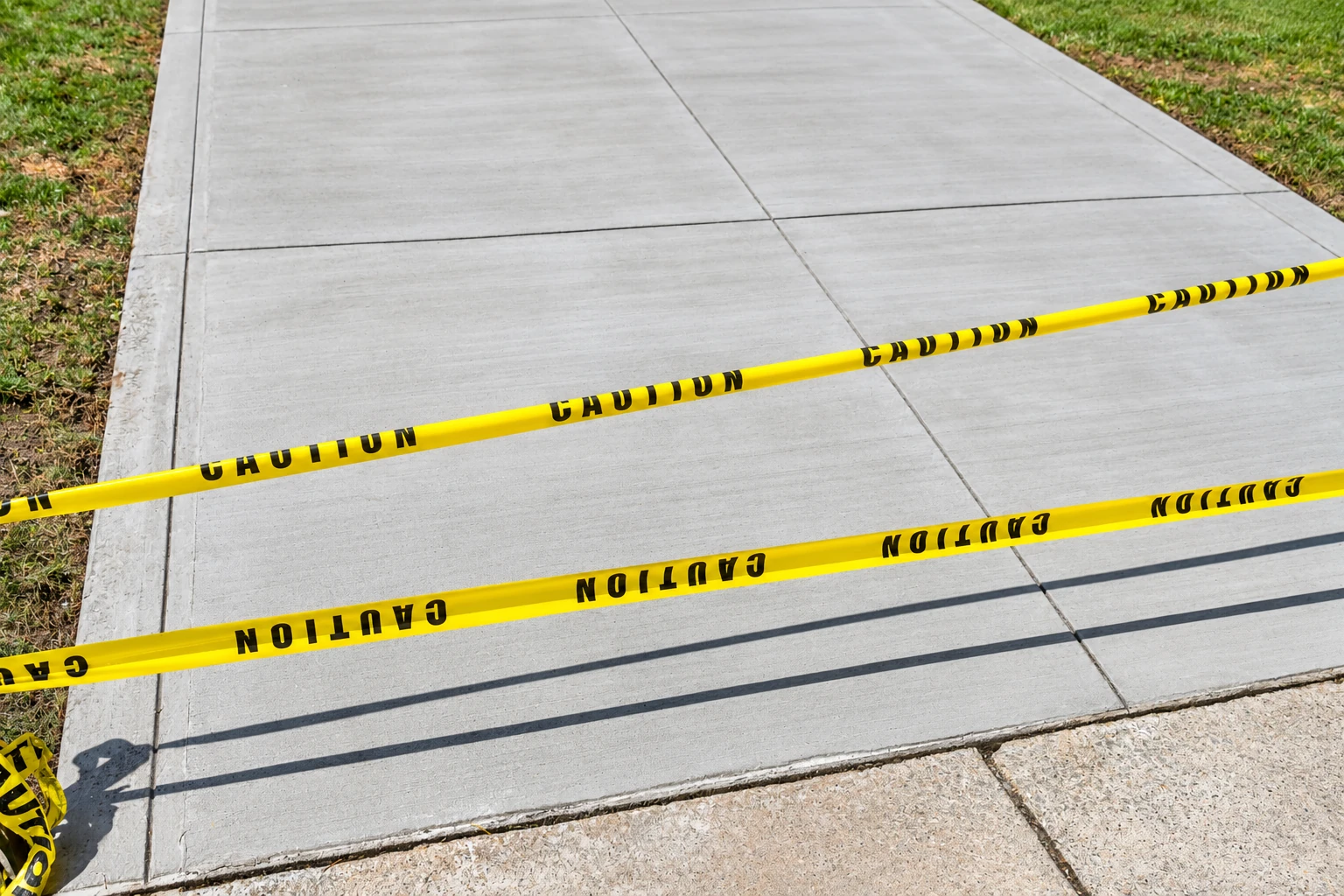
Concrete parking lot building in Carlsbad means laying pavement that carries parked cars, delivery trucks and dumpsters on a packed, well-drained base, with joints planned in, so the lot doesn't break up where the heaviest traffic runs.
Most owners call when the old lot is cracking at the entrance, sinking by the dumpster or holding water after a rain. That's usually the ground giving way under the heaviest loads, not the stalls wearing out. A lot is pavement, not just a big driveway, because one site carries cars, delivery trucks, dumpsters and turning traffic, and each of those lands on a different part of it.
The price moves with the size of the lot, how much of it has to carry trucks and dumpsters, how much old pavement and soft ground has to come out, and how much grading the drainage needs. The schedule turns on permits and plan review, the weather on pour days and how long you can close each section to traffic. I'll walk the site with you and put the estimate in writing. We're licensed and insured, and if your lot needs a permit, we file it and book the city inspections.
I walk the lot myself, look at where trucks come in and where the dumpster sits, and write the estimate, so the person pricing your job is the one who runs it.
Our own crew does the work and I'm on site running it, so the base, the joints and the finish go in the way we planned them together.
We're known for taking the time to explain a job before we price it, because concrete is hard to undo and you should know what you're paying for before we start.
I start every lot with where the trucks, dumpsters and fire lanes go, since those spots take a beating that parking stalls don't. The usual guidance is to design truck routes, dumpster pads, entrances and fire lanes apart from ordinary stalls when their loads differ, so we mark those areas first and build each one to its own plan.
Then we put the effort into the subgrade, the ground the slab sits on, and the base above it. We dig out soft spots, pack it firm and check where the water runs so it leaves the lot instead of soaking underneath. A thicker pour can't make up for lost support, so I'd rather spend your money on a solid, well-drained base than sell you extra inches of concrete. Nobody sees the base once the lot opens, and that's why it's the first thing people try to cut and the last thing I will.
Curing is the wait that lets fresh concrete harden properly before it takes traffic, and it should start right after the pour. Cars, construction traffic and heavy trucks can each have their own opening time, so we go over with you when each can use the lot. If the job includes light poles, posts or low walls, we pour the concrete footings under them too. If a building beside the lot has settled, foundation raising may need to come before the paving.
Shops and offices see delivery trucks on the same path every day, so we build that route and the loading spot heavier than the stalls where customers park.
Shared lots usually have a dumpster a trash truck backs into every week. That's where old pavement tends to break first, so we give that pad its own plan.
You don't always need a whole new lot. When one entrance or dumpster area has broken up, we can dig it out and rebuild it on a proper base.
When you're adding parking next to an existing lot, we match the new pavement to the old grade so water still runs off and doesn't pool at the seam.
Send the form and we'll reply within one business day to set a time. I'll come out, walk the lot with you and write up a free estimate, and you're under no obligation to go ahead.
A rough square footage or a site plan gives me a sense of the job before I come out, and I'll measure everything myself on the visit anyway.
Tell us which delivery, trash or service trucks come in and how often, because those loads decide where the lot needs heavier pavement and a stronger base.
Note where the dumpsters are now and where you'd like them. A dumpster pad takes a pounding at every pickup, and it's easier to plan the pad now than fix it later.
These show broom finishes, a ridged texture for grip, along with joint layouts and paved areas you can point to when we talk through your lot.
Practical questions property owners ask about permits, licenses, cracks and upkeep before building a concrete lot in Carlsbad.
Most likely, since the City of Carlsbad says most construction work requires a permit. Grading on a lot goes through the city's Land Development Engineering office, which issues grading, right-of-way and haul route permits, reviews grading and improvement plans and applies the regional storm water rules. When your lot needs a permit, we take care of the filing and inspections.
Yes. Anyone who builds or alters a parking facility in California has to be licensed by the Contractors State License Board when the job needs a building permit, uses employee labor or costs $1,000 or more in labor and materials. It's fair to ask any contractor you're thinking of hiring for their license, us included.
It can still crack, but with joints laid out and cut on time it cracks along those lines instead of across your stalls. Concrete pavement placed without joints will crack, so control joints, straight cuts that give the slab a chosen line to break on, belong in the layout. You should see them drawn in before the pour.
Often, yes. Commercial and public lots often need engineered pavement, and the usual guidance is to work from civil or structural design and local standards, not rules written for house slabs. For questions about plans on your property, the city's development services team takes walk-ins, though it recommends an appointment to cut the wait.
No. Concrete has fairly simple maintenance needs, which makes the years after the lot opens easier to plan for. Most of what keeps it that way gets decided before the pour, in the base, the drainage and the joints, which is why we spend our time there.
Our phone hours run seven days a week into the evening, so call (442) 216-7701 or send the form once your lot quiets down.