
Concrete driveway building
We break out the cracked or sunken driveway, dig out soft soil and pack the base, then pour a slab thick enough for your cars and the trucks that back onto it.
Premier Carlsbad Concrete is a concrete contractor that builds driveways, patios, walls, steps and foundations for homeowners in Oceanside, with our own crew doing the work and me running it on site.
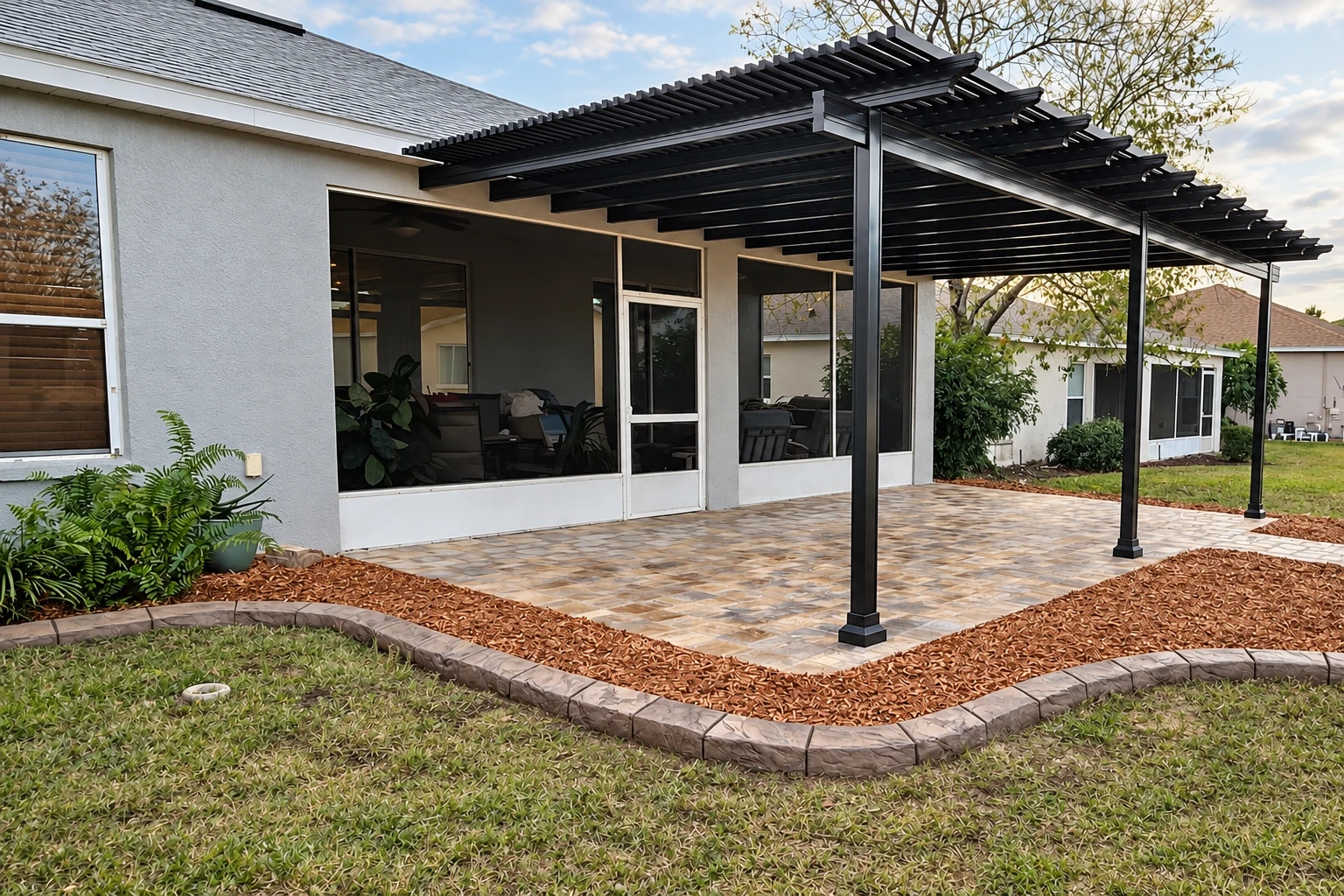
Oceanside runs from beachfront homes near the pier and the harbor back to neighborhoods inland toward Vista. Across all of it, the calls we get are much the same: a driveway that's cracked or sunk at the garage, a patio where water pools against the back wall, or front steps that have pulled away from the house.
The price moves with the size of the area, how much old concrete has to come out, how much digging and base work the ground needs and the finish you pick, plain or stamped. The schedule turns on whether the job needs a permit and inspections, how much prep the base takes and curing, the wait while new concrete hardens before you can walk or drive on it. Your own figure comes from the written estimate after I've seen the site.
Building permits here come from the City of Oceanside, and when your job needs one, we file it, book the city inspections and keep you posted on each step. We're a concrete contractor based in Carlsbad, CA, just south of here, and we do the same work in Carlsbad and up the coast in Camp Pendleton South.
I come out to look at your job and write the estimate myself, then run the work on site with our own crew, so the person who priced it is the one building it.
If the budget is tight, I'd rather spend it on digging out and packing the subgrade, what the slab sits on, than on a fancy finish, because a sunk slab can't be fixed with color.
Before we set forms, we check where the water runs on your lot, so the new slab sheds rain away from your house instead of pooling against it the way many old slabs do.
We break out the cracked or sunken driveway, dig out soft soil and pack the base, then pour a slab thick enough for your cars and the trucks that back onto it.
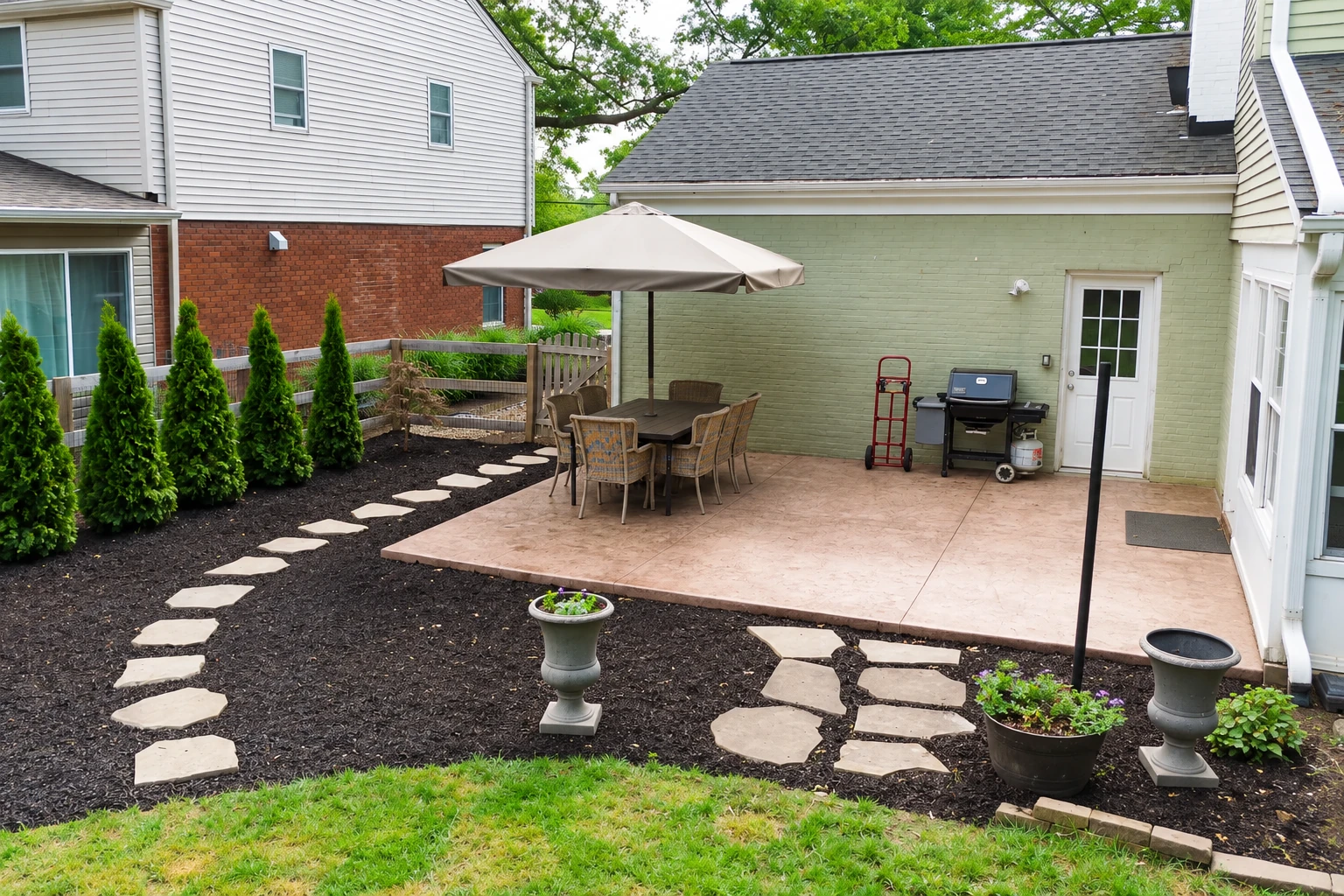
New patios get the same packed base as a driveway and a slight fall away from the house, so rain runs off into the yard instead of pooling at your back door.
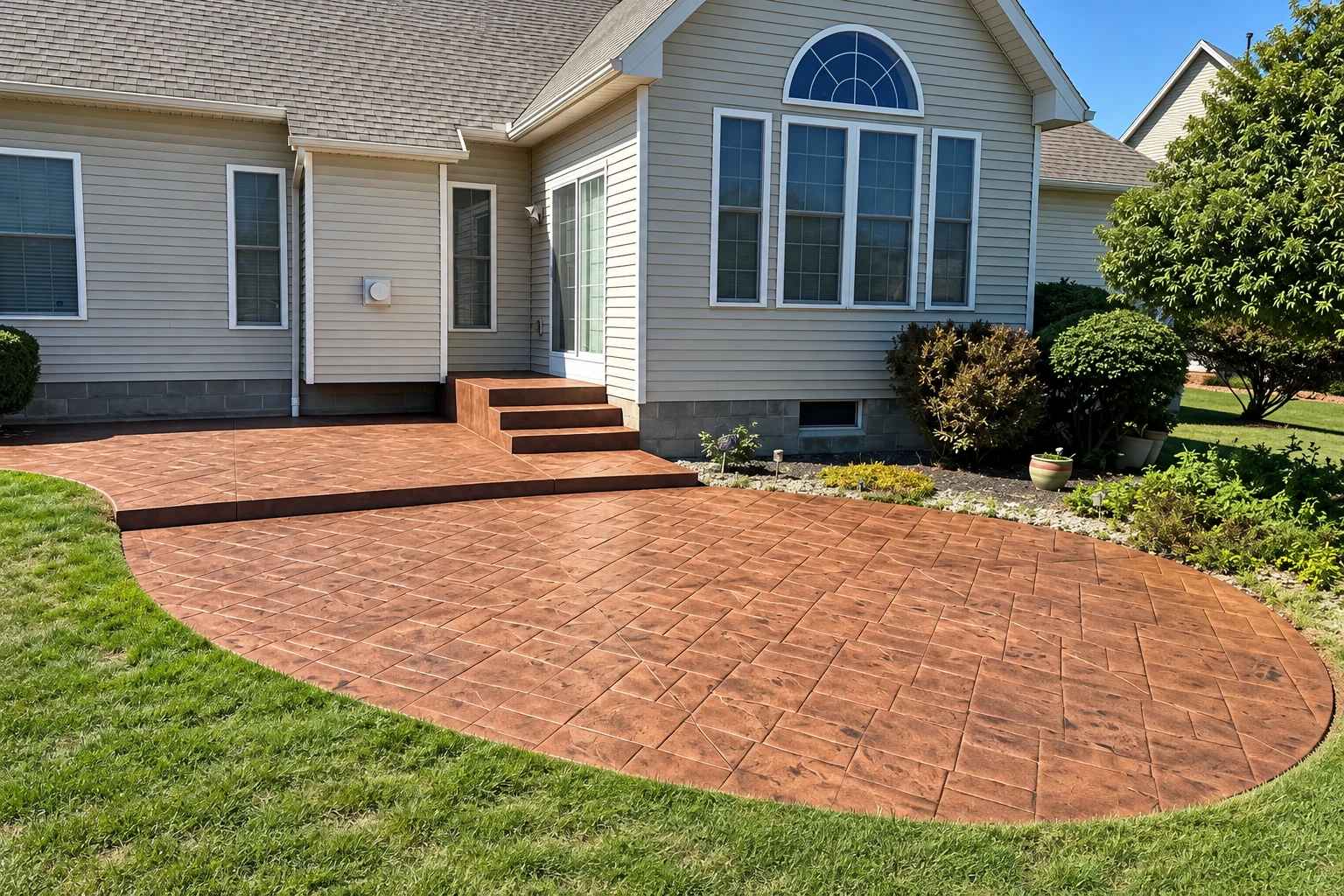
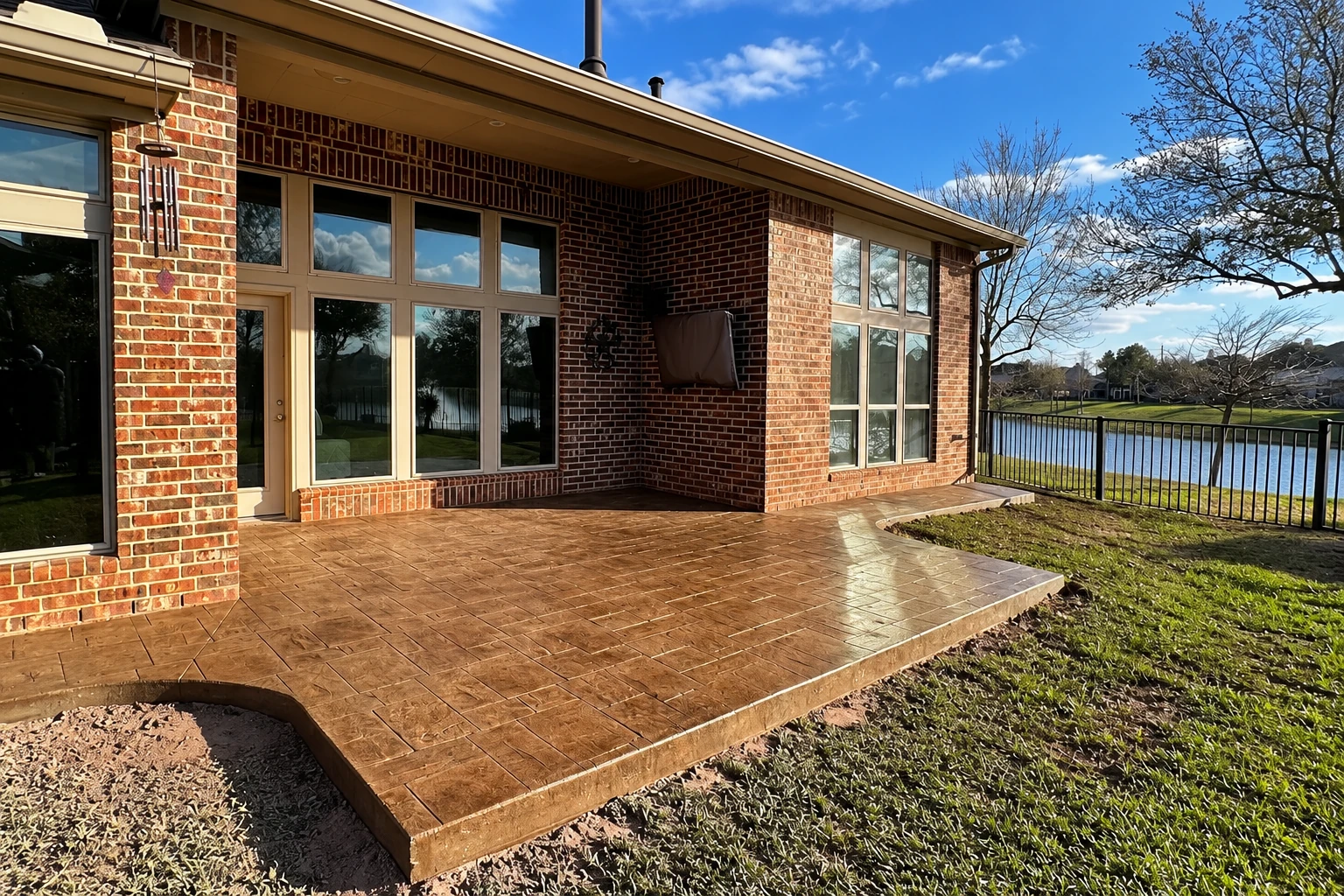
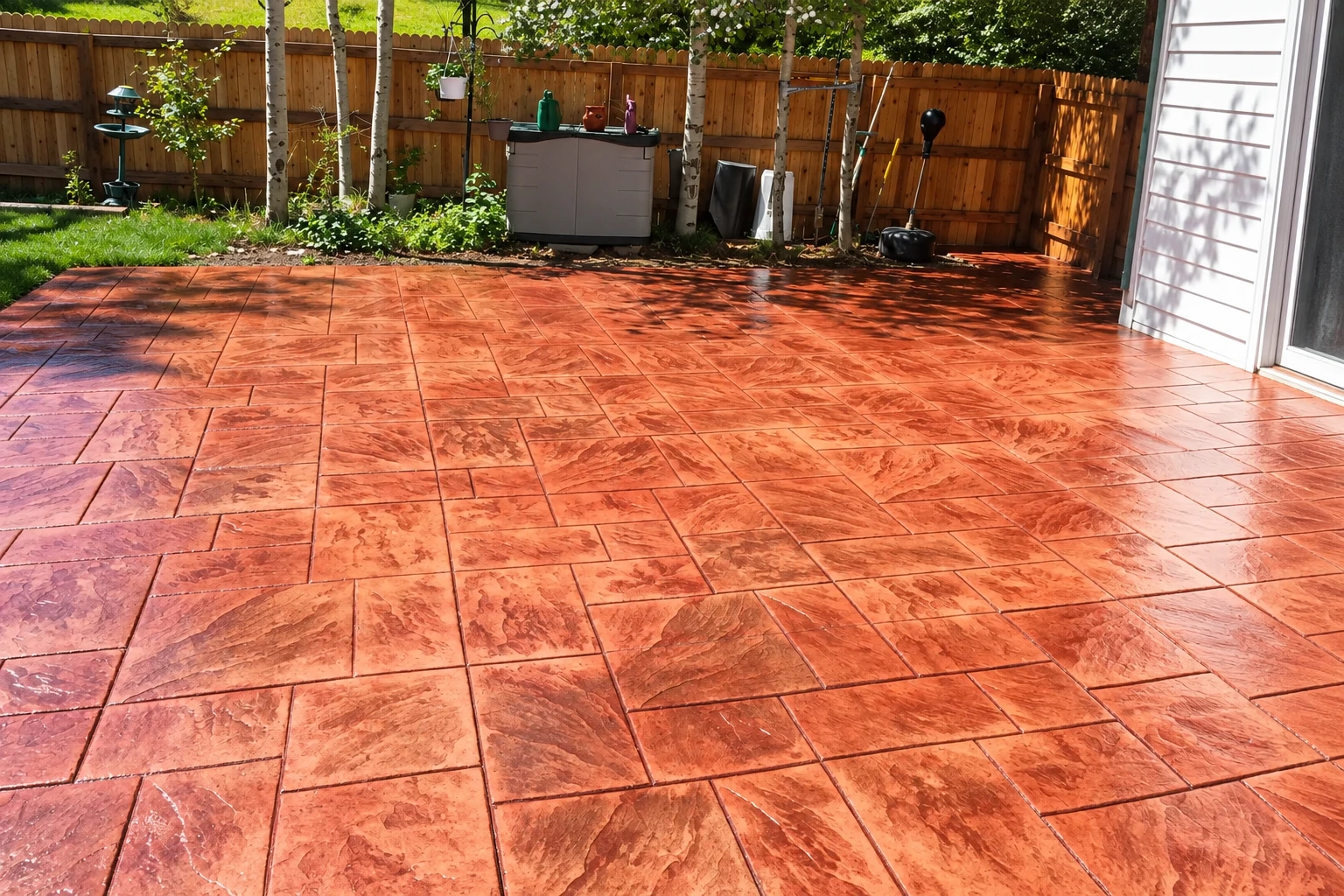
We press a stone, brick or wood pattern into the fresh surface, but a pattern is only as good as the slab under it, so the base comes first.
We replace front walks and side-yard paths that have heaved or cracked, and give them a broom finish, a light brushed texture, so they grip when they're wet.
When a garage floor has cracked, sunk at the door or chipped, we break it out, rebuild the base and pour a smooth new floor that's easy to sweep and park on.
Color, exposed stone and custom borders can dress up a plain slab, and I'll show you samples and explain how each one wears before you decide on one.
On sloped yards, we build concrete walls on footings with rebar, steel bars that hold the wall together, and leave a path for water so it doesn't push from behind.
For workshops, additions and other interior floors, we set the base and pour a flat, level slab that's ready for whatever flooring or equipment goes on top of it.
Pool decks need a surface that isn't slick under bare feet and a slope that carries splash water away from the pool and the house, and we plan both before pouring.
Front steps that have cracked or pulled away from the porch get rebuilt with even risers, so each step is the same height and feels steady to walk on.
For additions, garages and outbuildings, we prepare the ground, set the steel and pour a slab built to the plans, since everything above depends on it sitting level.
We dig, form and pour foundations for new rooms and structures, checking the trenches and steel against the plans before any concrete goes in, because it's hard to undo once it does.
For parking areas at shops, offices and apartment buildings, we build a heavier base and slab for steady traffic and plan the drainage so water doesn't sit in low spots.
Footings are the wide concrete base under a wall, post or porch, and we size and dig them to the plans so whatever sits on them has firm support.
When a slab or foundation has settled and left doors sticking or floors uneven, I look at what caused it first, since lifting it without fixing the cause just buys time.
We saw-cut openings, trenches and clean edges in existing concrete, so a bad section can come out or a pipe can go in without breaking up more slab than the job needs.
Send a few lines about your project and we'll reply within one business day to set a time for me to come out. I'll look at the job and write you a free estimate, with no obligation.
The estimate costs nothing and happens on site, because I need to see the slab, the slope and the ground before I can tell you what the job really takes.
Every estimate is written down, so you can read through what we'll do and compare it against other bids at your own pace before you decide anything.
I'd rather walk you through the base, the drainage and the joints first, so you understand what you're paying for before you see a number.
These are the practical questions Oceanside homeowners ask about permits, licenses and whether new concrete will hold up, answered the way I'd answer on site.
Plan on asking, because the City of Oceanside issues building permits for most construction work. Its older list of work that needs no permit covers finish work like painting, tiling and countertops, but it was written for an earlier code edition. Check the current list with the city before you plan around it.
In Oceanside, building permits go only to California licensed contractors of the right classification or to owner-builders. An owner-builder owns the property and acts as the general contractor on the job, and on a home, you need to have owned it for the last 12 months. If you'd rather not take that on, we file the permit and keep you posted.
Concrete can still crack, but most of the cracks we're called about trace back to a soft base, water running under the slab or joints cut late or skipped. We dig out and pack the base, check where the water goes and cut control joints, grooves that give the slab a planned line to crack along, before it can crack on its own.
Yes. Every business operating in the City of Oceanside needs a city business license, including home-based ones, so the rule covers contractors doing business in the city. Asking about it is fair when you're comparing bids, the same as asking whether a contractor is licensed and insured.
We pour concrete in the cities listed here, and these aren't the only cities we work in. If you don't see yours, call or send the form and ask.
Call (442) 216-7701 or send the form telling me what's cracking, sinking or pooling, so I show up knowing what to look at.