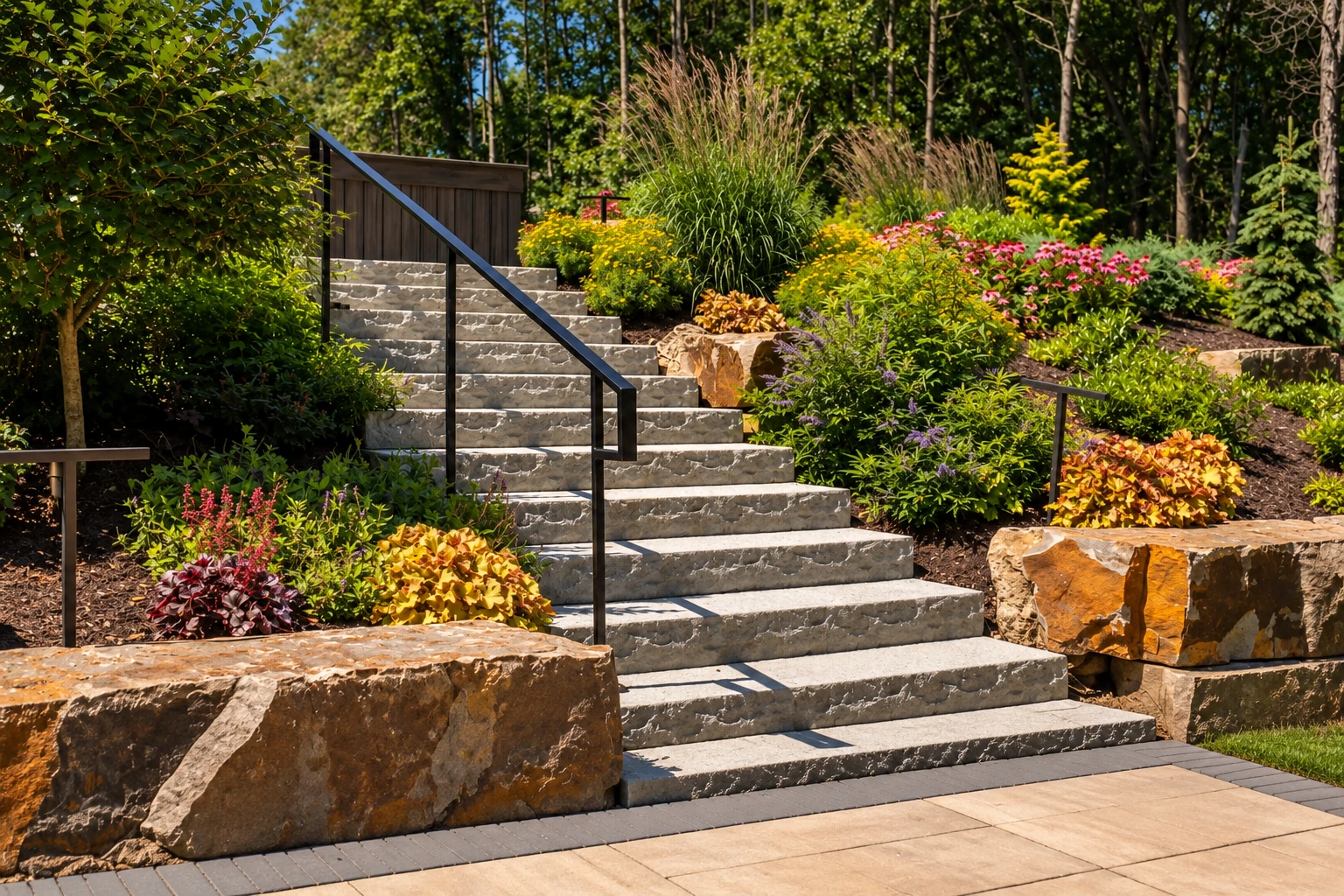
Concrete driveway building
We tear out the old driveway, dig down to firm ground and pack a new base, so the slab isn't sitting on the soft fill that let the old one sink.
Premier Carlsbad Concrete is a concrete contractor based in Carlsbad. We build driveways, patios, walkways, steps, walls and foundations in Solana Beach, and our own crew does the work from the dug-out base to the finish.
Solana Beach runs along the coast from Cardiff State Beach down to Del Mar, with Encinitas just up the coast and Carlsbad, where we're based, past that. A lot of what we're called about here is a driveway, walkway or patio that has cracked, sunk or started pooling water. When I come out, I look past the cracks to the subgrade, the ground the slab sits on, because that's usually what moved first.
On flatwork, the driveways, patios and walks that lie flat on the ground, the base is the part you never see and the first thing people want to trim from a budget. I'd cut back on the finish before the base, because a nice surface on raked dirt settles with that dirt, and the only fix later is tearing the slab out.
The price moves with the size of the slab, how much old concrete comes out, how much base work the ground needs, how easily we can reach the spot and the finish you choose. The schedule turns on any permit the job needs from the city's Community Development department, and on curing, the wait while new concrete gains strength, which runs longer before you drive on it than before you walk on it. I'll give you your own figure after I've seen the site, and we run jobs the same way inland in El Cajon.
I come out, check the slab, the slope and where water runs, and write the estimate myself, because what's under the old concrete decides more of the job than what's on top.
When a job needs a permit, we file it, book the city inspections and keep you posted on each step, so you aren't the one chasing paperwork.
Our own crew does the work and I run it on site, so the person who priced your base is there watching it get dug out and packed.
We tear out the old driveway, dig down to firm ground and pack a new base, so the slab isn't sitting on the soft fill that let the old one sink.
We set a patio's slope away from your house before we pour, because a slab that falls toward the walls sends pooling water back at the foundation.
We press the pattern into stamped concrete while it's still soft, and we schedule the pour away from midday heat so the surface doesn't set before the pattern's in.
We pour walkways to the door and along the side yard with a broom finish, a light dragged texture that gives shoes grip when the walk is wet.
We replace cracked or sunken garage floors on a packed base thick enough for a car's weight, and we finish the surface smooth enough to sweep clean.
Colored concrete, exposed aggregate and custom borders all start with the same base work as a plain slab, so we price the base first and the look on top of it.
On sloped lots we build retaining walls with rebar, steel bars inside that hold the concrete together, and drainage behind so water doesn't push the wall over.
We pour interior and outbuilding floors level and smooth enough for what goes on them, and we check the ground under them first so a new floor doesn't settle unevenly.
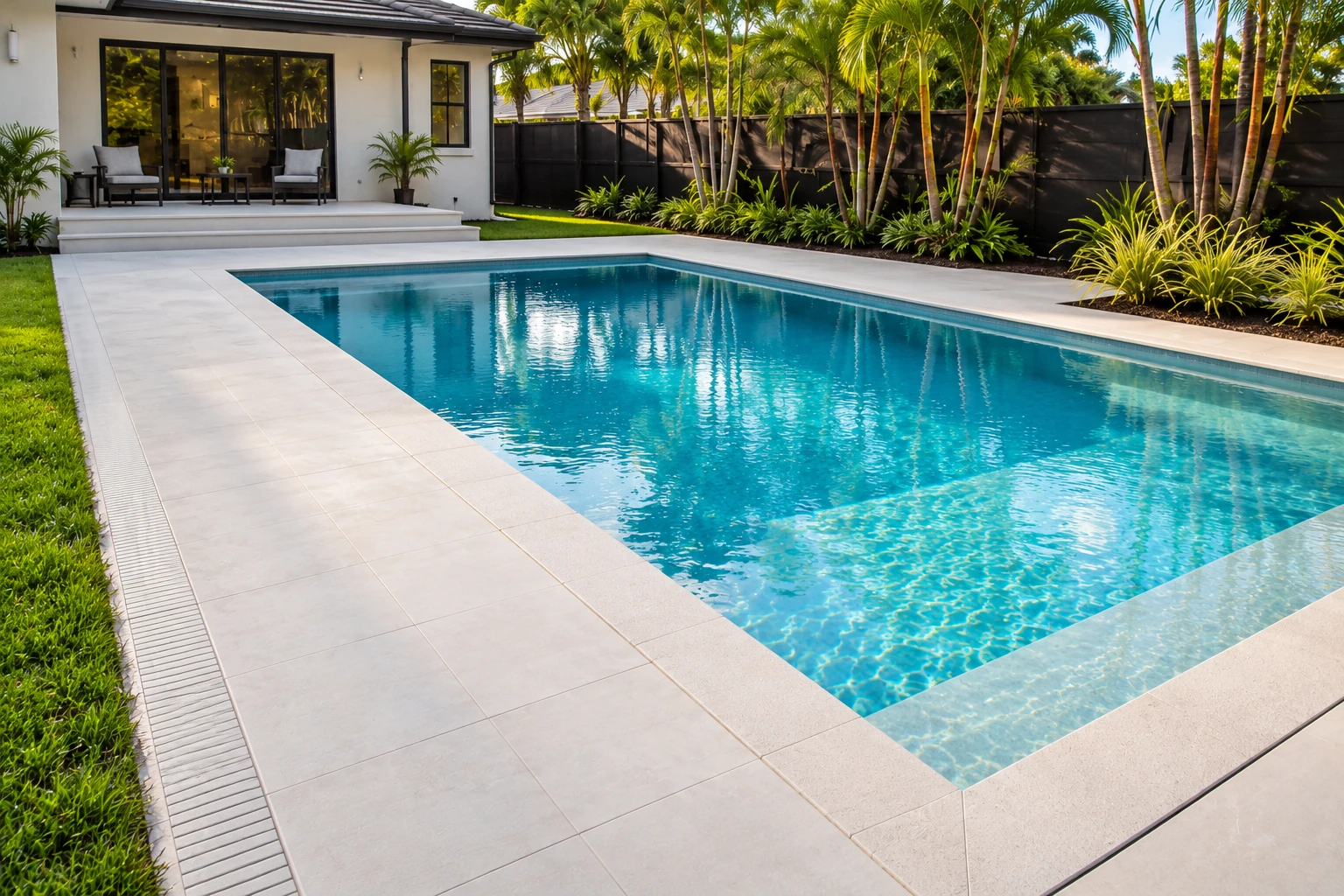
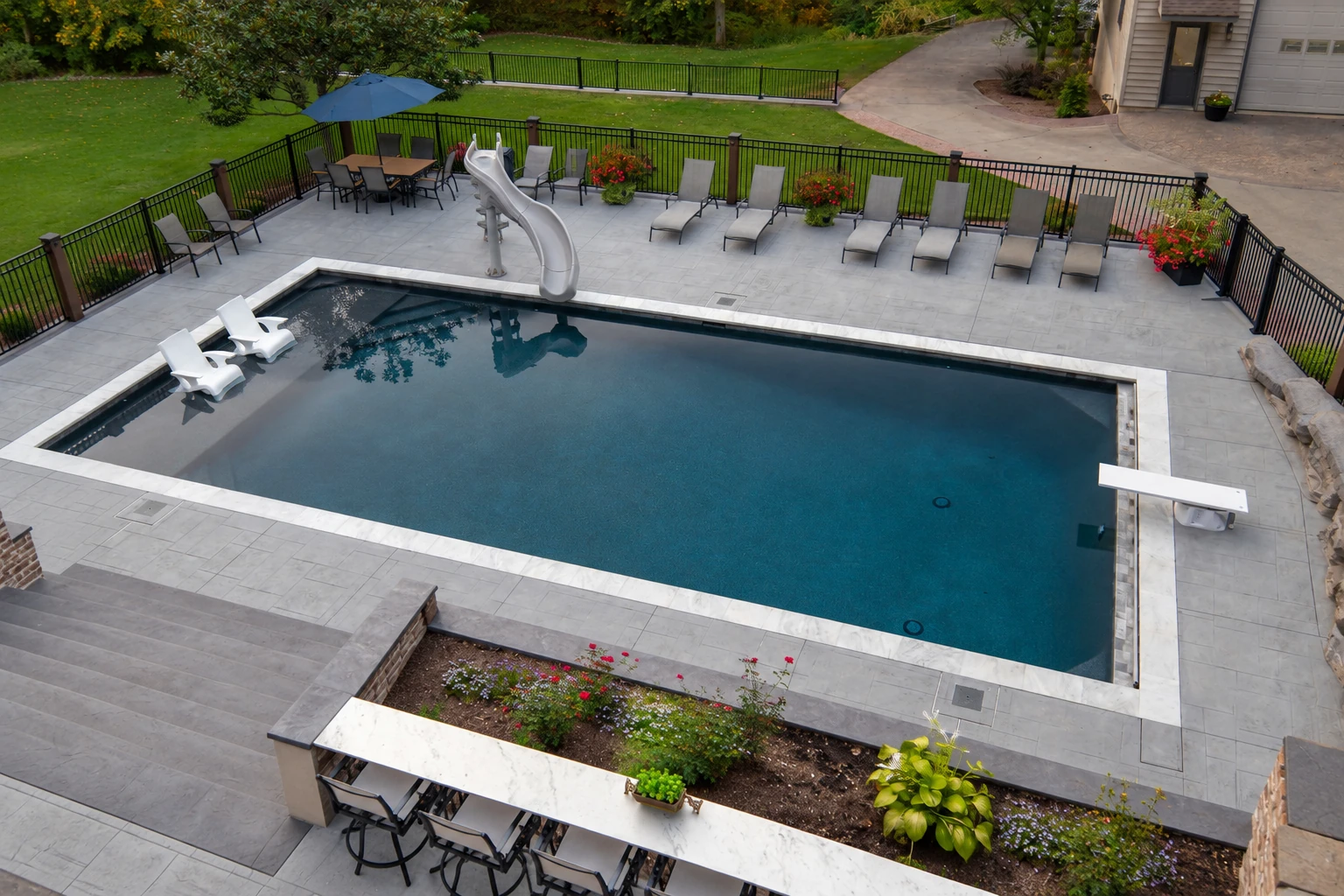
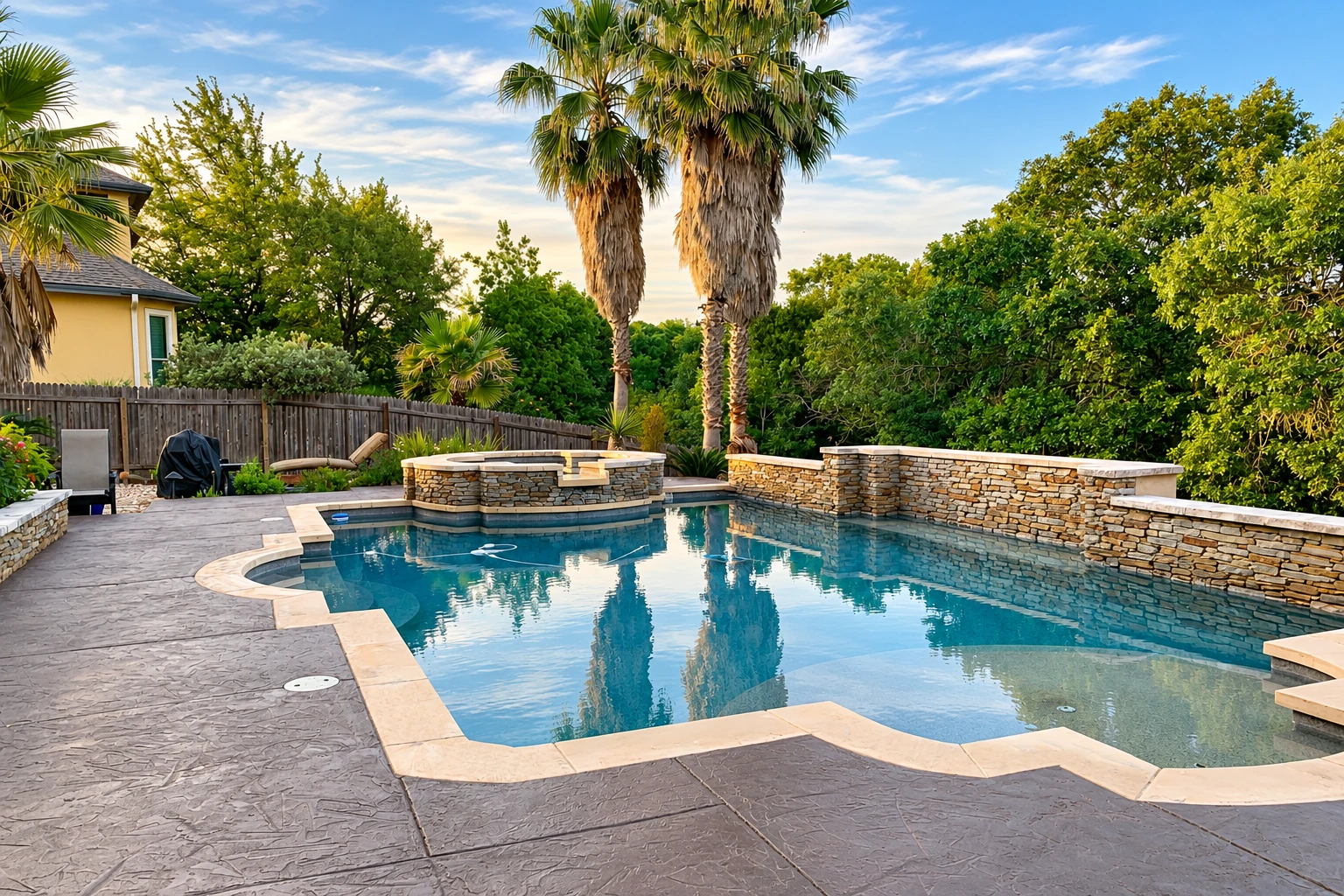
Pool decks get wet every day, so we slope them toward drains and away from the pool, and we finish the surface with enough texture for bare feet to grip.
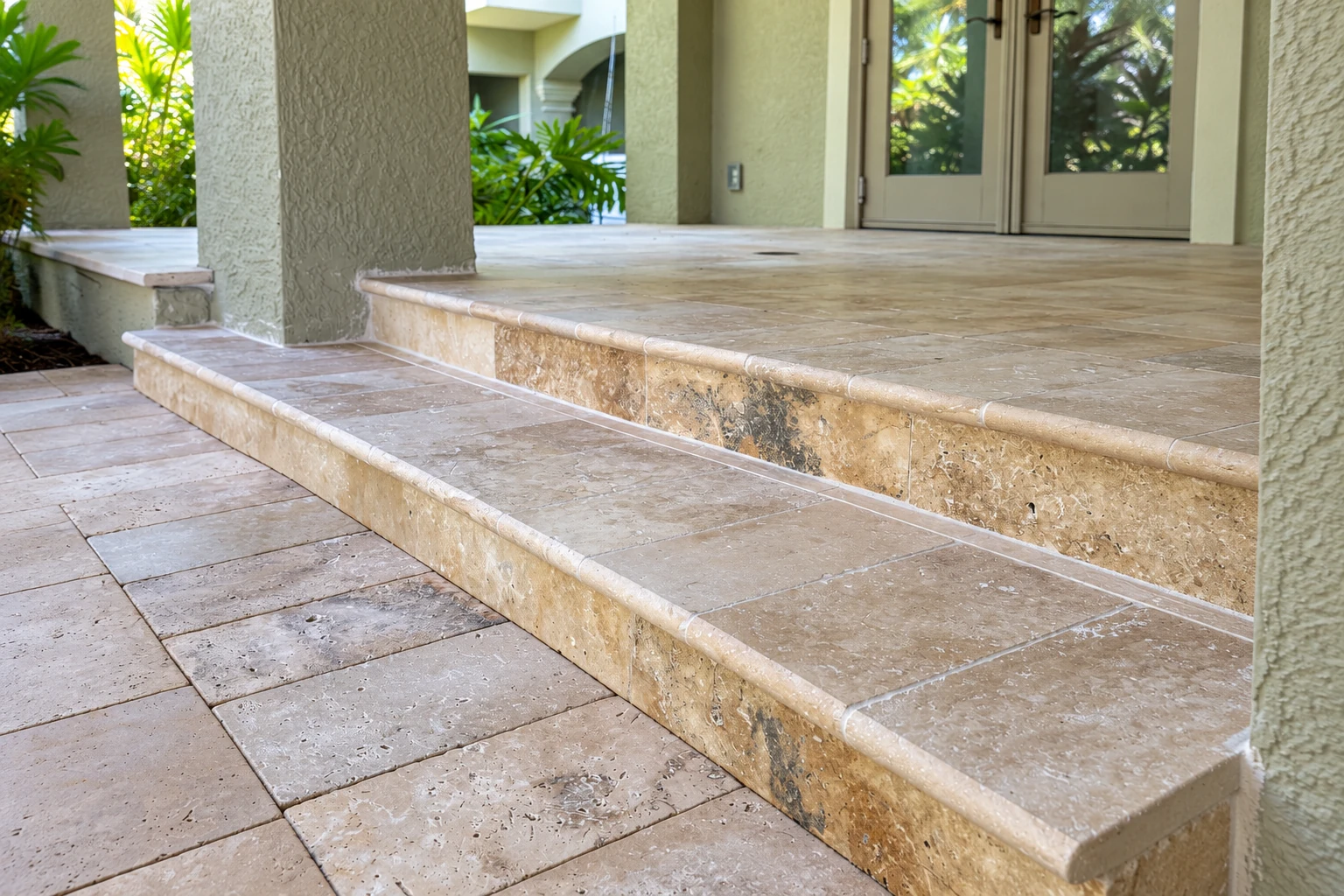
We form front and back steps so each rise is even, because the one step that's taller than the rest is the one people trip on.
For additions and new structures we pour slab foundations on a dug-out, packed base with rebar through it, since a slab under walls has to carry far more than a patio.
We dig and pour foundations for additions, garages and outbuildings to the drawn plans, and we check the soil at the dig before any concrete goes in.
For small commercial lots and shared parking areas, we plan the base and slab for regular car traffic and set the grade so water runs off instead of pooling in the stalls.
Footings spread the weight of a wall, post or deck into the ground, so we dig them down to firm soil instead of pouring them on loose fill.
When a slab or foundation has sunk, I look at why before suggesting a fix, because raising it without dealing with the soil or water underneath usually means it sinks again.
We saw-cut old slabs for removal, drain lines and clean edges where new concrete meets old, which keeps the damage to the part you're replacing.
Send a few lines about the job and where the property is. We'll reply within one business day, and I'll come out, look it over and write your estimate, free and with no obligation.
Your estimate comes in writing with the work spelled out, from the base and thickness to the finish and joints, so you can see what you're paying for before we start.
I'd rather spend an extra hour planning than rush a pour, so ask whatever you want while I'm there, and ask it twice if my first answer didn't land.
Cracks, sinking, water pooling against the house or a slab that's just worn out each point to different work, so a short note on what you're seeing helps me come prepared.
Here are the questions homeowners in Solana Beach ask before a driveway, patio or wall goes in, answered the way I'd answer them on site.
The city requires a building permit to repair, add to, alter, move or demolish a building, while finish work like painting, tiling, carpet and cabinets needs none. Its list doesn't name driveways or patios, so ask the city's building services office about your project before work starts. When a permit is needed, we handle the filing.
Yes, both. The state requires a current license from the Contractors State License Board for anyone contracting on a project that needs a building permit, using workers, or taking on $1,000 or more in labor and materials. The city requires a business certificate from every business working in Solana Beach, and a contractor on a permit needs both before it's issued. We're licensed and insured.
It can, because all of Solana Beach sits in the Coastal Zone and the city says development applications need California Coastal Commission approval. Some permits covering a single trade go ahead without it, and the city sorts that out from the building permit application. On a coastal bluff lot, the first planning review is approved only after the commission's approval letter reaches the city.
Concrete usually cracks somewhere, so the aim is cracks where we planned them and a slab that doesn't sink. We cut control joints, shallow grooves that give the slab a straight line to crack along, soon after the pour instead of late, and we dig out and pack the base rather than raking dirt level. Old slabs that crack badly usually missed one of those.
These are the cities with their own page on our site, and we work in others around Carlsbad too, so call or send the form if yours isn't listed.
Concrete is hard to undo once it sets, so call (442) 216-7701 or send the form and let's plan yours before anything gets poured.