
Concrete driveway building
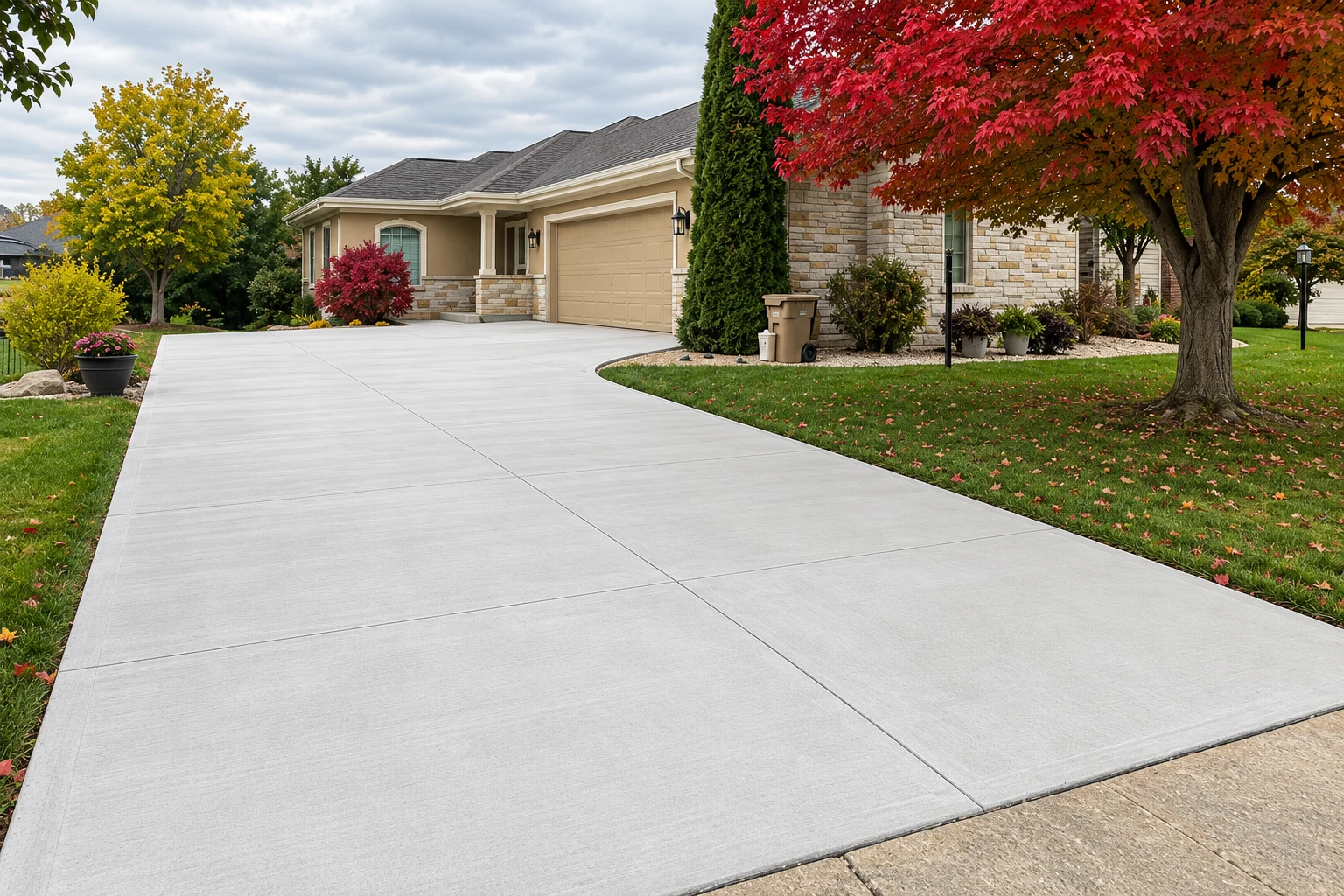
On La Mesa's steeper driveways, we dig out and pack the base and set the slope so water runs off toward the street rather than down into the garage.
Premier Carlsbad Concrete is a concrete contractor based in Carlsbad. We pour driveways, patios, retaining walls and foundations for La Mesa homeowners, and we replace the cracked, sinking slabs that older properties there tend to have.
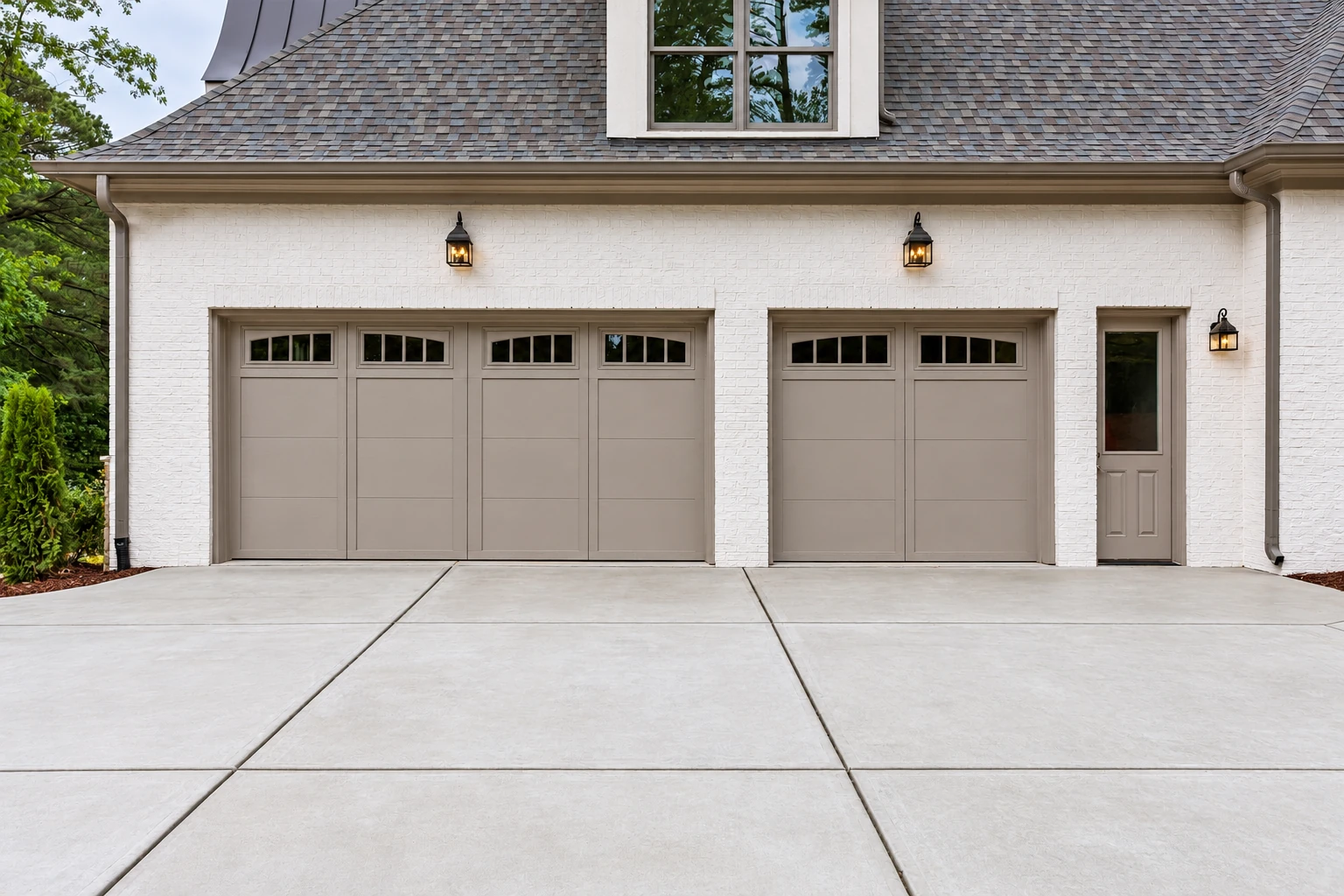
We're based in Carlsbad and work in La Mesa with our own crew, the same as we do nearby in El Cajon and Santee. A lot of calls here start with an older slab showing its age, like a driveway cracked across the middle, a patio sunk at one corner or water pooling by the garage. Plenty of La Mesa streets climb, so the driveway often runs steeply up or down to the garage, and where the water goes matters as much as the concrete.
What moves the price is the size and thickness of the slab, how much old concrete has to come out, how much base work the ground needs, how hard the spot is to reach and the finish you choose. Stamped or colored work takes more hands than a broom finish, the light texture that keeps a slab from getting slick. The schedule turns on whether the job needs a permit and inspections, and on curing, the wait while new concrete gains strength before you can walk or drive on it. Your own number comes from the estimate, once I've seen the site.
Permits here go through the city's Building Division, which reviews plans, issues permits and inspects residential work, and you can reach it at 619.667.1176 or at the permit counter in City Hall. The city requires a permit for all new construction and for many repairs and replacements, so a new slab foundation goes through it, and the questions below cover walls, driveways and patios.
We're licensed and insured, and when a job needs a permit we file it, book the city inspections and keep you posted on each step, so you know where things stand.
I come out, look at the job and write the estimate myself, then I run it on site with our own crew, so the plan we talked through is the plan that gets poured.
The base is buried on day one, so it's the first thing people want to cut, but I'd rather trim the finish, because a slab settles right along with the dirt under it.
On La Mesa's steeper driveways, we dig out and pack the base and set the slope so water runs off toward the street rather than down into the garage.
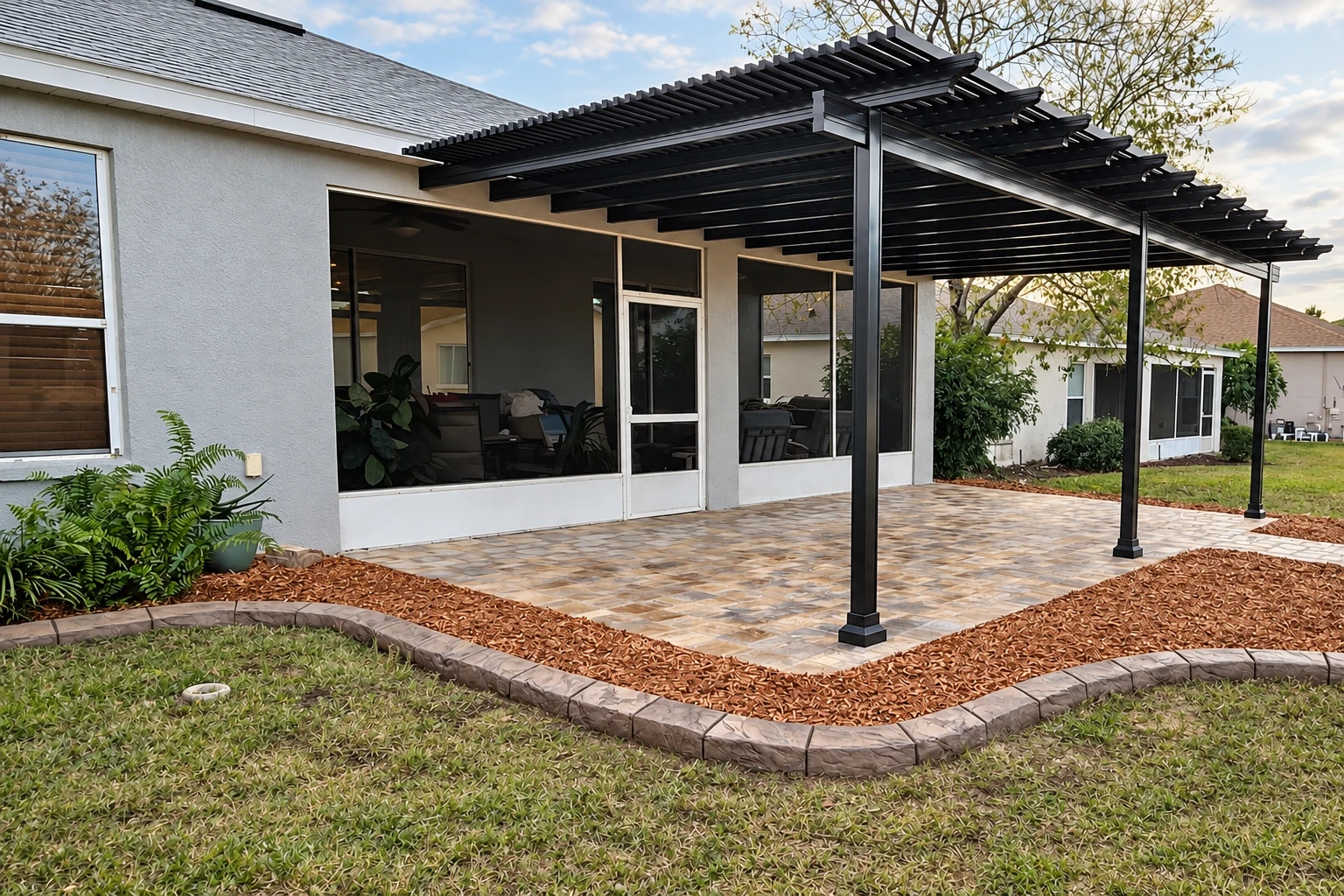
Backyard patios here often sit against the house, so we pitch the new slab away from your walls and cut control joints, planned grooves that give cracks a straight place to go.
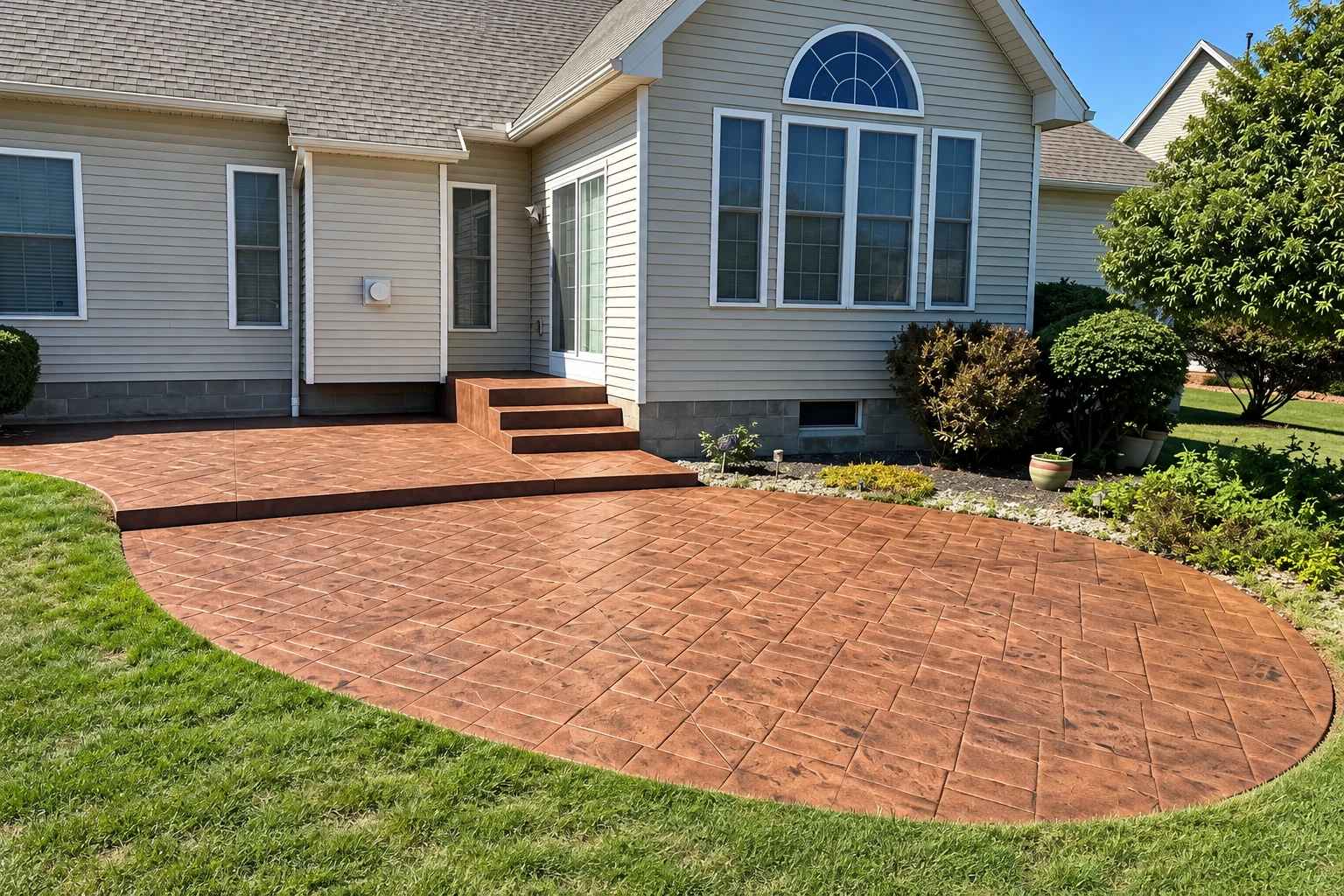
We press a stone, slate or brick pattern into fresh concrete while it's still workable, then seal it once it cures so the color holds up on patios and front walks.
We replace walks that have heaved or sunk into trip edges, cutting the old sections out, packing the base and finishing the new walk with a broom texture for grip.
When an older garage slab is cracked and chipping, we break it out, pack the base and pour a new floor sloped slightly toward the door so water doesn't sit.
Color, a pebbled exposed-aggregate top or scored lines can dress up a front entry or patio, and I'll walk you through how each one wears before you choose.
Sloped yards in La Mesa often need a wall, so we set rebar, the steel that keeps the concrete from pulling apart, and give water a way out from behind it.
For interior slabs in additions, workshops and outbuildings, we level and compact the subgrade, the soil the floor rests on, before the pour so the finished floor comes out flat.
Around a pool we slope the deck away from the water and choose a textured finish that gives bare feet some grip, since a smooth trowel finish turns slick once it's wet.
We form each step to an even height and set the run on a solid footing, since steps that pull away from a house usually started on a weak one.
For an addition, a garage or a backyard unit, we dig out and pack the pad, set the rebar and pour the slab the plans call for.
For houses and additions on sloped ground, we form and pour footings and foundation walls to the plans so the framing starts on a level, square base.
For small commercial lots and shared driveways, we plan thicker sections where trucks turn and slope the whole surface toward drains so water doesn't pond in the parking spaces.
Patio covers, walls and steps rest on footings, the buried concrete that spreads their weight, so we dig to the depth the job calls for and clean the trench before the pour.
When part of a slab or house has settled, I'll look at why before we lift anything, because raising it without fixing the drainage or soil underneath usually means it drops again.
We saw-cut clean lines to remove a damaged section, open a slab for a new drain line or widen a driveway, so the old concrete that stays has a straight, tidy edge.
Send the form and we'll reply within one business day to set up a visit. The estimate is free, done on site and comes with no obligation, so you can take your time deciding.
A few lines about what's wrong now, like cracks, a sunken corner or water pooling by the garage, tells me which spots to look at closely when I come out.
On site I check which way your yard and the old slab drain, because a slab that tips toward the house sends water right where you don't want it.
Every estimate is in writing, so you can see what you're paying for before we start and ask me about any line twice if you need to.
Most of what people here ask before a pour is about permits, so these answers come from the city's own rules.
For a retaining wall, yes, because the city's permit list names garden and retaining walls, patio covers and pools among the work that needs one. That list doesn't mention driveways or patios, and the city says it isn't necessarily complete, so it's worth a call to the city before the pour. We'll talk it through at the estimate.
The property owner is, because the city's homeowner permit rules hold the owner responsible for inspections at set points during the work, even when the contractor makes the call. So when we book them, we tell you each one as it's set and how it went. With a city account you can also check the permit's status and schedule inspections online.
A La Mesa permit expires if work hasn't started, or the first city progress inspection hasn't happened, within one calendar year of the permit's date. Once work is underway, it also expires after 6 months with no inspections, or when the work runs past 3 calendar years from issue. So it makes sense to file once you're ready to schedule the work.
Each city below has its own page about our concrete work there. The list isn't every place we go, so if yours isn't on it, call or send the form and ask.
Our hours run until 10 PM on weekdays and 9 PM on weekends, so call (442) 216-7701 after work and ask about permits too.