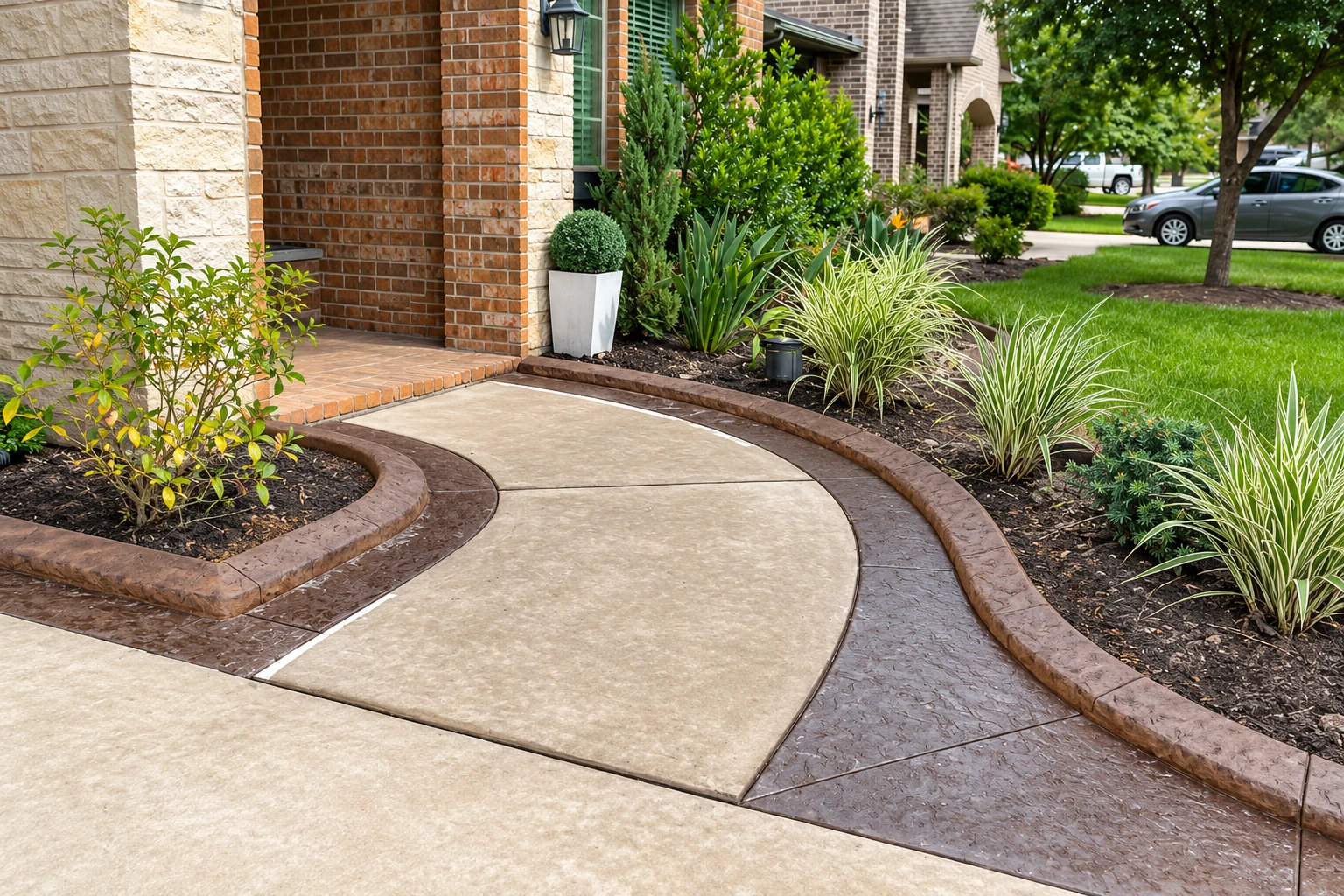
Concrete driveway building
On sloped Escondido lots we set the grade so water runs off the driveway and away from the garage, then dig out and pack the base so it doesn't settle.
Premier Carlsbad Concrete is a concrete contractor based in Carlsbad, and we pour driveways, patios, retaining walls, garage floors and foundations for homes and properties in Escondido, CA, from tear-out to the final finish.
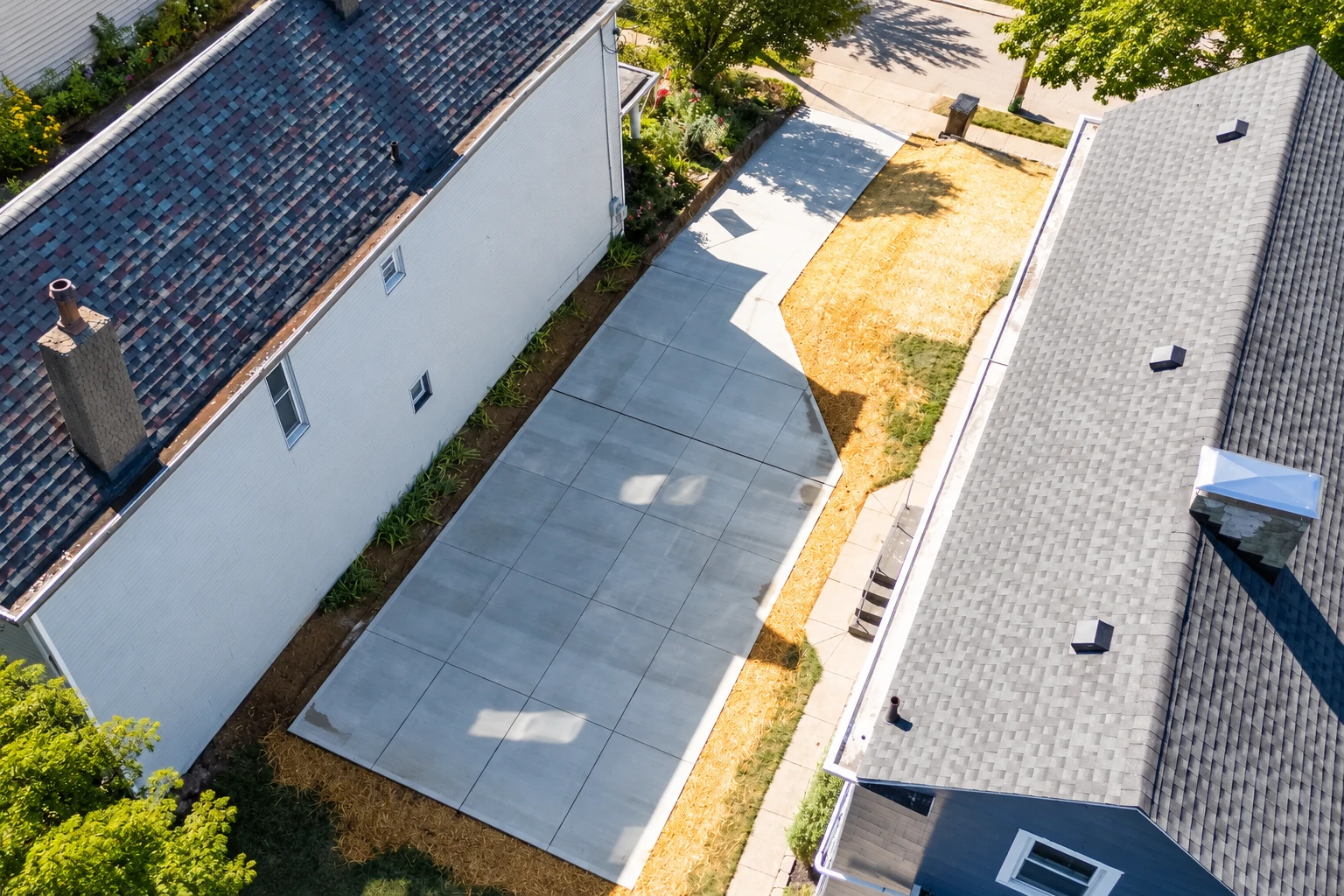
We're based in Carlsbad and work in the cities around it, from Encinitas on the coast out past San Marcos and Vista to Escondido. A lot of what we see here sits on a slope, from hillside driveways to backyards that step down. Plenty of the older houses still have their first slabs, cracked or sunken where the subgrade, the dirt the slab sits on, settled under them. On a lot like that I check where the water runs before anything else, because a slab that tips toward the house sends every rain to your foundation.
The price usually comes down to how much old concrete has to come out, how much digging and packing the base needs, the size and thickness of the new slab and any color or stamping on top. The schedule turns on whether the job needs a permit and on curing, the wait while fresh concrete hardens before you walk or park on it, which can't be rushed. Your own figure comes from the written estimate after I've seen the site, because concrete is hard to undo and I'd rather plan an extra hour than guess.
The city's permit list names roofing, HVAC, solar and remodels, not patios or driveways, so ask the Building Division. When a job needs a permit, we file it, book inspections and keep you posted.
The state licensing board requires a license when a job needs a building permit, uses extra workers or costs $1,000 or more in labor and materials. We're licensed and insured.
The city requires a business license from anyone doing business in Escondido, even companies based outside it, and it names construction contractors. It's a fair thing to ask any crew you're comparing.
On sloped Escondido lots we set the grade so water runs off the driveway and away from the garage, then dig out and pack the base so it doesn't settle.
We tear out cracked, sunken patios behind older houses and pour new ones that slope slightly away from the back door, so rain runs to the yard instead of the house.
Stamping presses a stone or brick pattern into fresh concrete, and on bigger patios we plan the crew and timing so the whole slab gets pressed before it sets too far.
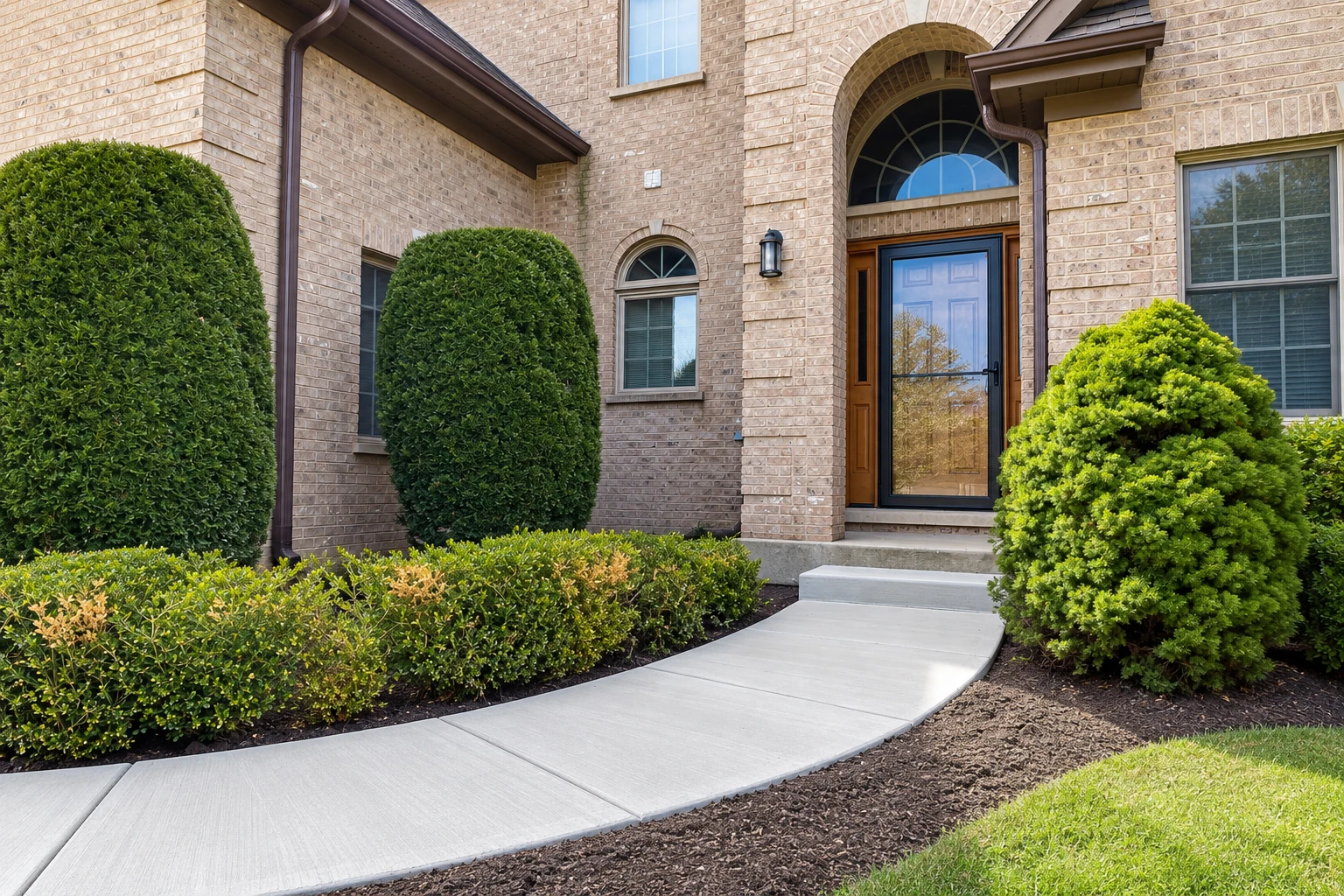
We replace walks that have heaved or sunk into trip edges, often near old trees, and give each a broom finish, a brushed texture that gives grip when wet.
We break out cracked or stained garage slabs and pour new ones with a smooth, dense finish that sweeps clean, sloped slightly toward the door so water from a wet car drains out.
Color, scored lines or exposed aggregate, where the small stones show at the top, can dress up a plain slab, and I can bring samples so you see them against your house.
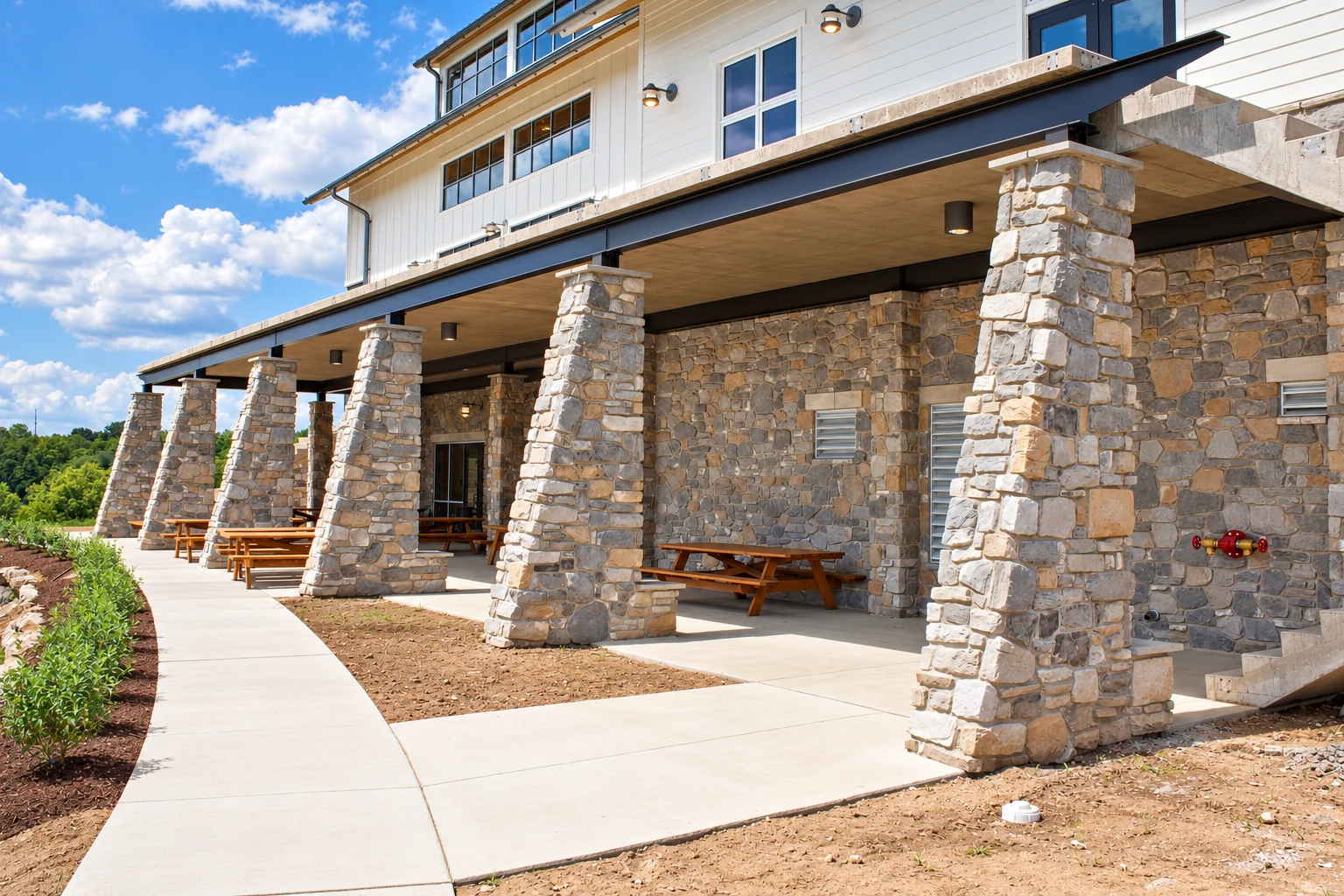
Hillside yards in Escondido often need a wall to hold back a slope, and we build them on a solid footing with drainage behind so water doesn't push the wall over.
We pour interior slabs for additions, workshops and converted spaces, with the subgrade packed firm and a smooth finish ready for whatever flooring goes on top later.
Pool decks need a finish that stays grippy for wet feet and a slope that sends splash water away from the pool and the house, and we plan both before we pour.
Houses on a slope often need several steps to the door, and we form new ones with even rises so nobody catches a toe, tied into the walk so they don't pull away.
For additions and new buildings we pour slab foundations with rebar, the steel that holds a slab together if it cracks, placed exactly where the plans show it.
On hillside and older lots you don't know the ground until it's dug, so we look at what the dig turns up and set forms to the plans before the truck comes.
For small business lots and shared drives we pour thicker slabs built for car and truck traffic, with joints and a slope that keep water from pooling in parking spaces.
Footings are the buried concrete that walls, posts and patio covers stand on, and we dig them to the size the plans call for so the weight spreads into firm ground.
When part of a house has settled, I look at what's moving and why before we recommend raising it, because lifting a slab without fixing the cause usually means doing it again.
We saw-cut clean edges where an old section comes out, so the new pour meets the old one in a straight line, and we cut openings for drain lines and doorways.
Send the form and we'll reply within one business day to set a time. I come out, look at the job and give you a written estimate, free and with no obligation.
Let me know if it's cracks, a sinking corner or water pooling against the house, because a few words on the form help me bring the right questions when I come out.
Before I price anything I check where the water runs and what the old slab sits on, because those two things decide most of the work you can't see later.
Our own crew pours your concrete, and I run the job on site, so the plan we talked through at the estimate is the one that gets built.
Here's what people in Escondido usually ask me first about permits, cracking and how long they'll be without the driveway or patio.
An older city guideline lists retaining walls 4 feet or shorter, measured from the bottom of the footing to the top, as needing no building permit, though it calls for Planning Division approval. That doesn't apply to a wall holding up extra weight, like a slope or driveway behind it. The guideline is older, so check with the Building Division before we dig.
Once the Building Division has a complete set of plans, review takes about 30 calendar days for each round, and the division only accepts plans electronically. If corrections come back, that's another round, so I plan the pour date around the permit, not the other way around. On an addition, that wait usually sets the schedule more than the concrete does.
Concrete shrinks as it hardens, so a hairline crack can still show up, but the big cracks and sunken corners usually come from a base that was raked flat instead of dug out and packed. We pack the base firm and cut control joints, grooves that give the slab a planned place to crack. If money's tight, cut the fancy finish, not the base.
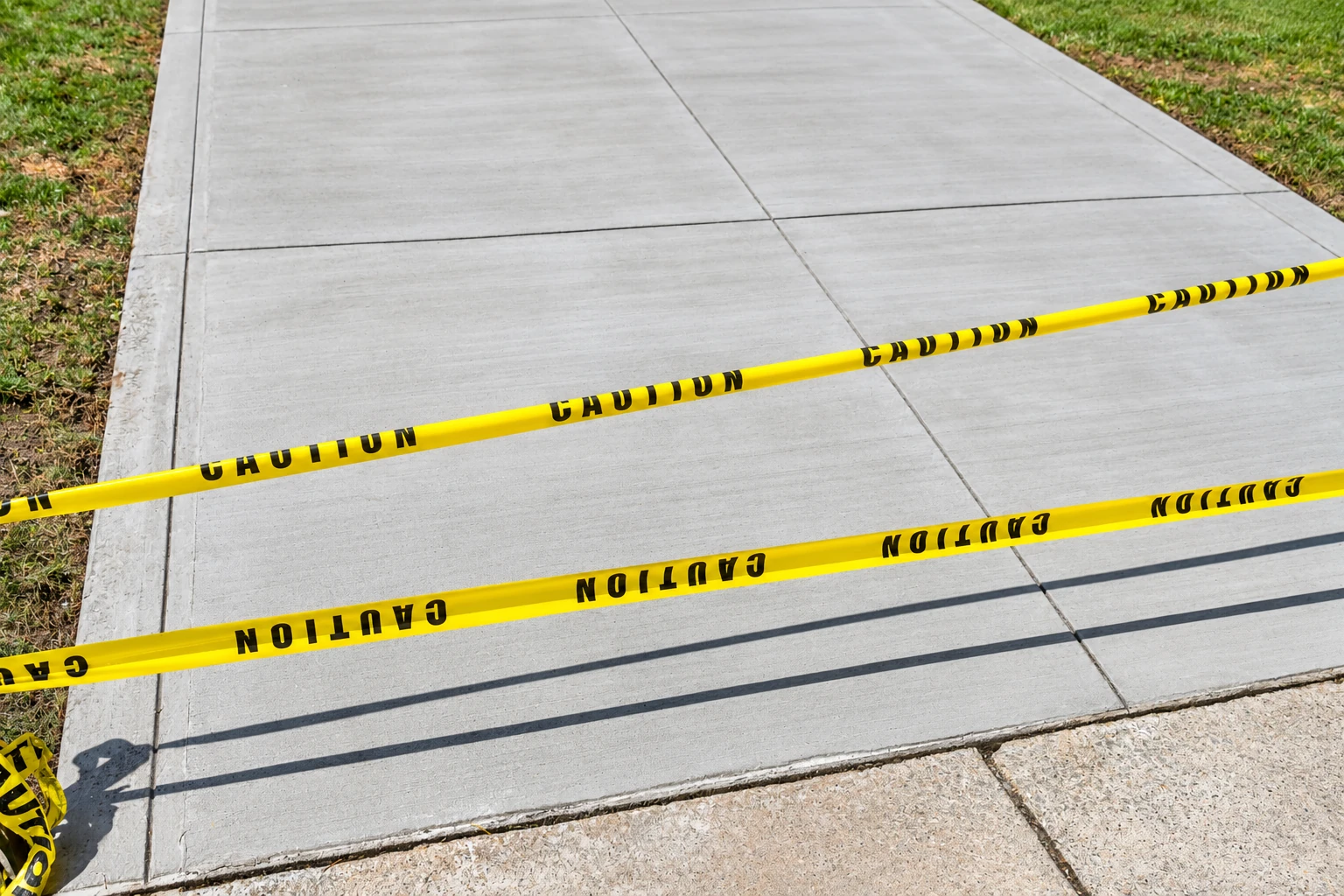
You're without it from the day we break out the old slab until the new one has cured enough to take a car, and that wait usually runs longer than the work itself. You can walk on it well before you can drive on it. We pour early in the day, out of the midday heat, so the top cures hard instead of dusty.
These are the cities with their own page on our site, and we work in other cities around Carlsbad too, so call or use the form to ask about your address.
Call (442) 216-7701 or send the form while you're still planning, because a change is easy on paper and hard once the concrete is down.