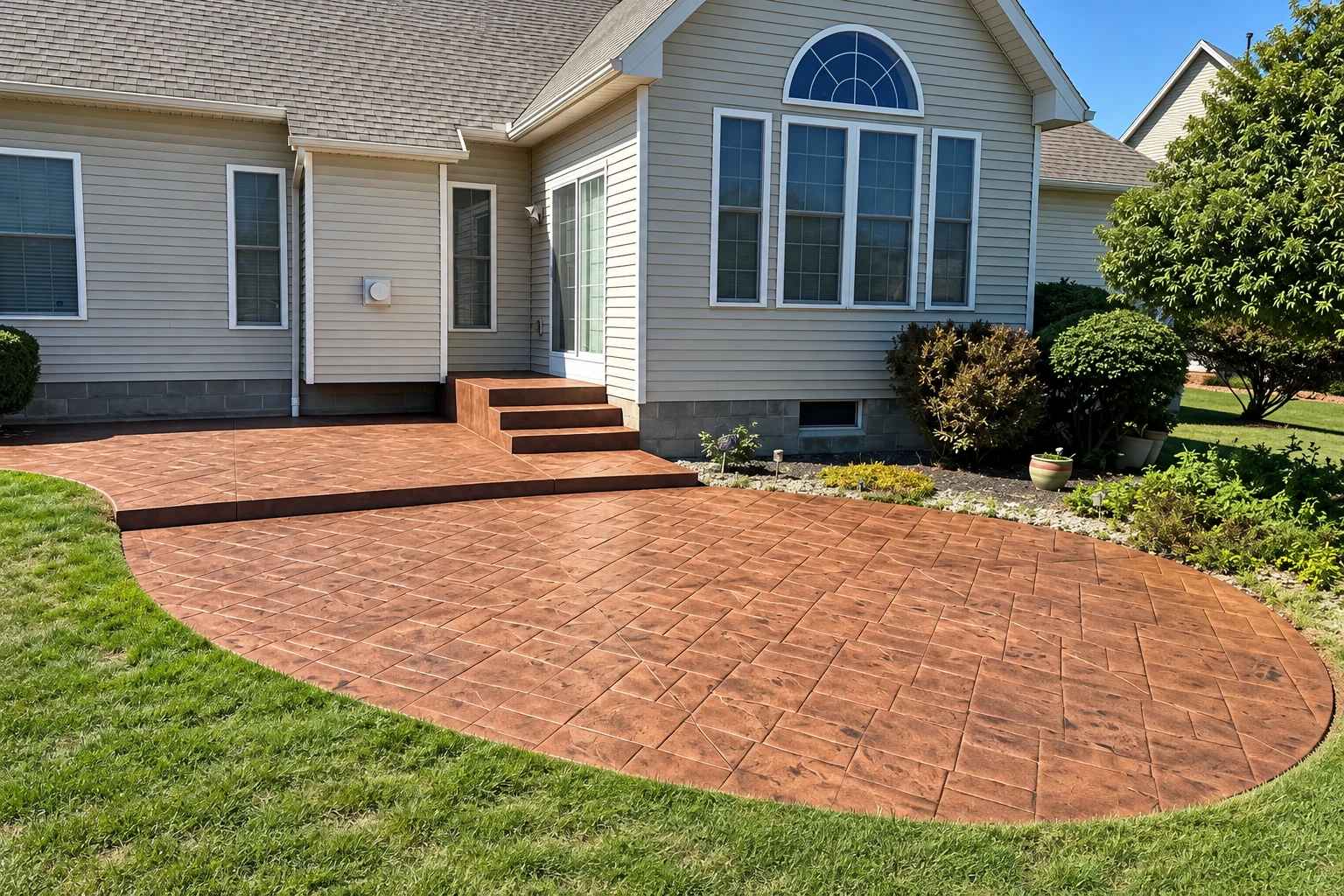
Concrete driveway building
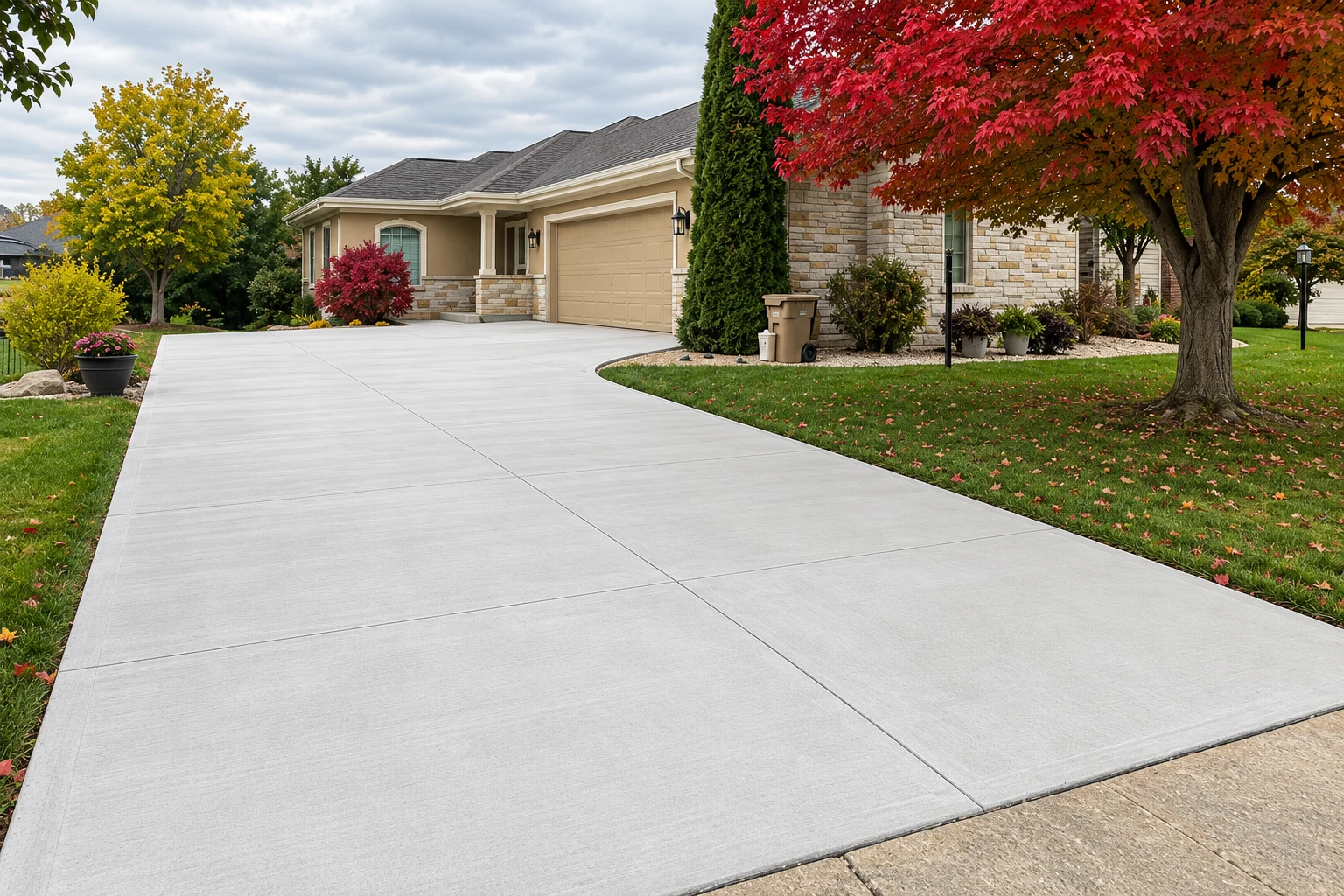
We tear out the cracked driveway and the loose dirt under it, then pack a new base, so the new slab doesn't sit on the ground that let the old one sink.
Premier Carlsbad Concrete builds driveways, patios, steps, retaining walls and foundations for homeowners and property owners in Santee. We're a concrete contractor based in Carlsbad, and our own crew does the work.
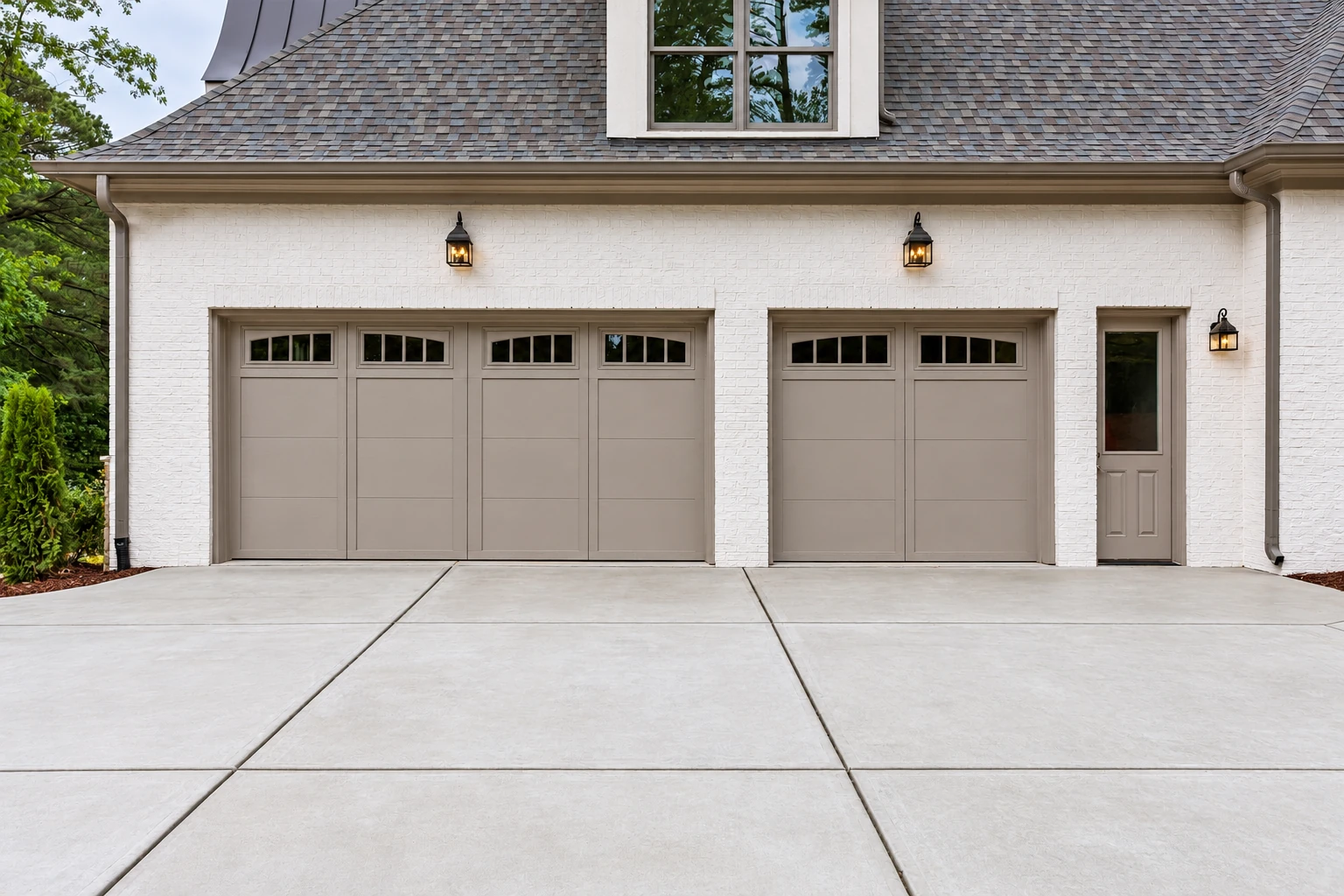
Most calls from Santee start with something you can see from the curb or the back door: a driveway cracked across the middle, a patio that's dropped away from the house, or water pooling where it shouldn't. Usually the trouble is underneath, in the subgrade, the ground the slab sits on. Somebody raked it level instead of digging it out and packing it, so it settled and took the concrete with it. I started this business in Carlsbad in 2021, and Santee gets the same crew and the same base work we do in El Cajon and La Mesa.
The price mostly turns on four things: the size of the job, how much old concrete has to come out, how much base work the ground needs and the finish you choose. A plain broom finish, the light brushed texture that keeps a slab from getting slick, costs less than stamped or colored work. The schedule turns on the weather on pour day, whether a permit is involved and curing, the wait while the concrete gains strength before you can walk or drive on it. I'll walk the job with you and put your figure in writing.
In Santee, permits go through the city's Building Division, which reviews plans and inspects the work. Every submittal goes through the city's online permitting portal, since paper plans aren't accepted. The city isn't offering expedited review right now, so if your job needs a permit, the review is part of the schedule.
I look at the job myself and write the estimate, then run it on site with our own crew, so the person who priced your slab is the one there on pour day.
If a budget has to give, I'd trim the finish before the base, because nobody sees a well-packed base on day one, but a slab on loose dirt settles and cracks anyway.
Concrete shrinks as it dries, so we cut control joints, shallow grooves that give a crack a straight line to follow, before the slab can pick its own spot across the middle.
We tear out the cracked driveway and the loose dirt under it, then pack a new base, so the new slab doesn't sit on the ground that let the old one sink.
A patio that's sunk or tipped toward the house usually needs a new base and a slope that sends water out to the yard, and we set both before we pour.
A stamped pattern is pressed in while the concrete is still soft, so pour-day timing matters, and we plan the crew and the hour of the pour around it.
Side walkways usually crack where a root or a soft spot got under them, so we fix the ground first and slope the new walk away from the house.
A garage floor takes a car's weight every day, so the base gets packed hard and we set rebar, steel bars inside the slab that hold the pieces together if it cracks.
Color, exposed stone and other finishes go on top of the same slab work, so we talk through what you want early and still build the base the same way.
We build walls that hold back a slope or turn a sloped yard into flat space, with a footing under them and drainage behind, so water doesn't pile up and push on the wall.
Interior slabs for additions, workshops and outbuildings need a flatter, more level top than a driveway, so we finish them smooth for whatever flooring or equipment goes on next.
Pool decks get wet bare feet and splash water, so we slope them to drain away from the pool and use a textured finish that's less slick than smooth concrete.
Every step should be the same height so nobody catches a toe, and we set new steps on a solid footing so they stay put instead of pulling away from the door.
A slab foundation is floor and foundation in one, so we pack the subgrade hard and set the forms to the plans' edges and heights before any concrete arrives.
We dig, form and pour foundations for additions and new structures, and we have the forms and steel checked before the concrete goes in, since it's hard to fix once covered.
Parking areas for small businesses and multi-unit properties take heavier, steadier traffic than a home driveway, so we plan a thicker slab, a deeper base and clear drainage across the lot.
This is the concrete under a wall, post or column that spreads its weight into the ground, and we dig down to solid soil so what it carries doesn't sink.
When part of a slab or foundation has sunk, we find out why before we lift it, because lifting it without fixing the water or soft ground underneath invites the next drop.
We saw-cut concrete to take out a damaged section, open a slab for new plumbing or widen a driveway, so the edge stays clean and the rest of the slab stays whole.
Send the form and we'll reply within one business day to set a time. I'll come out, look at the job and write you an estimate, free and with no obligation.
Describe the crack, the low spot or the slab you want added, and where it is on the property, so I know what to look at first when I come out.
On site I look at where the water runs and what the old slab sat on, because those decide how much base work your job needs and a good share of the price.
Every estimate we give is in writing, so you can set it next to another bid and see what each one includes, base work and all.
These are the permit and licensing questions Santee homeowners ask most when they plan a driveway, patio or retaining wall.
Santee's list of work that needs no building permit doesn't name driveways or patios, so the city's Building Division is the one to ask about yours. Right-of-way and encroachment permits, for work in the public strip along the street, go through the same online portal. When your job needs a permit, we file it, book the city inspections and keep you posted on each step.
A retaining wall 3 feet tall or less doesn't need a building permit in Santee unless it holds up extra weight above it, like a slope or a driveway, or holds back flammable or combustible liquids. A new wall may still need a grading permit, so the city asks you to check with its Engineering Department at 619-258-4100 ext. 167 before starting.
Yes, Santee requires a city business license from anyone doing business in the city, including companies based in other cities that come in to sell their work. We're based in Carlsbad, so the rule covers us the same as anyone, and it's a fair question to put to every contractor you're comparing.
A contractor needs a license from the California Contractors State License Board when the project needs a building permit, uses employee labor, or when labor and materials on its contracts total $1,000 or more. Since our own crew does the work, that rule applies to us, and we're licensed and insured. Ask any contractor you're considering for their license before you sign.
These are the cities with their own page on our site, and they're not the only places we work. If your address isn't listed, call or send the form and ask.
Concrete is hard to undo once it's poured, so call (442) 216-7701 or send the form and we'll plan it before anything gets torn out.